The Ukrainian Air Force reported intercepting 11 of 41 ballistic and hypersonic missiles in the overnight salvo of 1-2 June 2026, a 26.8 per cent high-tier intercept rate against the largest single combined aerial assault Russia has launched against Ukraine to date. The lower-tier rate against 656 incoming drones was 91.7 per cent. The 88 per cent aggregate that headlined morning briefings masks the operational reality the high-tier number reveals: thirty ballistic and hypersonic effectors penetrated, including all eight Russian 3M22 Zircon anti-ship hypersonic missiles repurposed for terrestrial targeting.
Three weeks earlier, Defence Ukraine's analysis of the structural Patriot supply crisis had argued that the United States could no longer meaningfully resupply the high-altitude tier of Ukrainian air defence after Operation Epic Fury's drawdown of Gulf Patriot stockpiles. The 1-2 June salvo is the operational confirmation. President Volodymyr Zelensky's post-attack statement, that "the current level of supplies for our air defence does not allow us to shoot down a significant proportion of missiles", is the policy admission the data forced.
Composition of the Salvo
The Ukrainian Air Force counted 729 aerial assets in the overnight wave: 656 loitering munitions (Shahed-136, Geran-2, and decoy variants), 33 Iskander-M short-range ballistic missiles, 27 Kh-101 air-launched cruise missiles, eight 3M22 Zircon hypersonics, five Kalibr sea-launched cruise missiles, and zero Oreshnik intermediate-range systems. Launch geography was deliberately multi-axis: Iskander batteries in Bryansk, Kursk, Rostov, and occupied Crimea; strategic aviation from Vologda Oblast; Caspian naval platforms; Crimean coastal launchers for the Zircons.
The composition reveals Russian conservation strategy. Ukrainian Defence Intelligence (DIU) chief Oleh Ivashchenko assessed on 2 June that the 2026 Iskander-M production line sustains 55 to 60 launches per month. Firing 33 in one night expended roughly half of monthly production, confirming the salvo as a concentrated shock event rather than a sustainable daily rhythm. The eight Zircons mark the largest single use of the system against terrestrial targets. The platform was designed to defeat naval carrier strike groups; turning exquisite anti-ship ordnance on residential blocks in Kyiv is a deliberate Russian targeting choice.
The Tier-Stratified Defence
Performance stratified sharply across the three altitude tiers. The lower tier neutralised 602 of 656 incoming Shahed-class and decoy drones, a 91.7 per cent rate. The medium tier intercepted 29 of 32 subsonic cruise missiles at 90.6 per cent. The higher tier intercepted 11 of 41 ballistic and hypersonic missiles, a 26.8 per cent rate, with zero of the eight Zircons engaged.
The lower-tier rate is the operational vindication of the indigenous interceptor-drone ecosystem Defence Ukraine's analysis of Ukraine's interceptor drone revolution traced in August 2025. AS3 Surveyor and General Cherry interceptors, operating at unit costs under $15,000 against Shahed loitering munitions costing roughly €24,000, are now load-bearing rather than auxiliary. The medium-tier rate, anchored on Diehl Defence's IRIS-T SLM/SLS and the Kongsberg-built NASAMS interceptors now in domestic Ukrainian production, holds the cost-exchange ratio for cruise-missile defence.
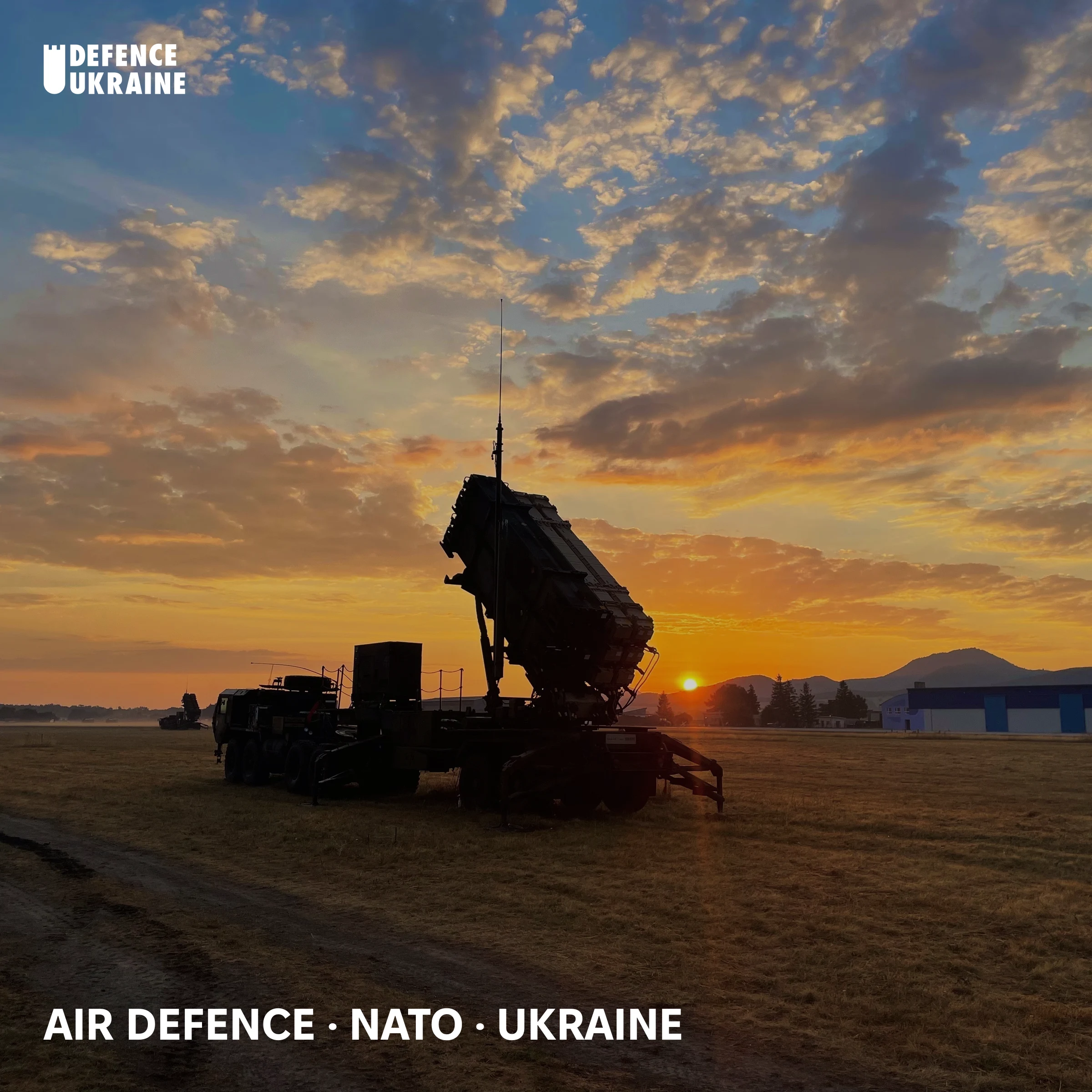
The higher-tier rate is where the structural breakdown lives. Of the 41 ballistic and hypersonic effectors launched, 30 penetrated. The remaining penetrations were almost entirely Iskander-M warheads executing terminal manoeuvres that defeat any short-range air-defence system available to Ukrainian commanders. Patriot PAC-3 MSE rationing is the cause; the Patriot system continues to perform against the targets it was designed for when properly supplied, but the supply does not exist.
The Cost on the Ground
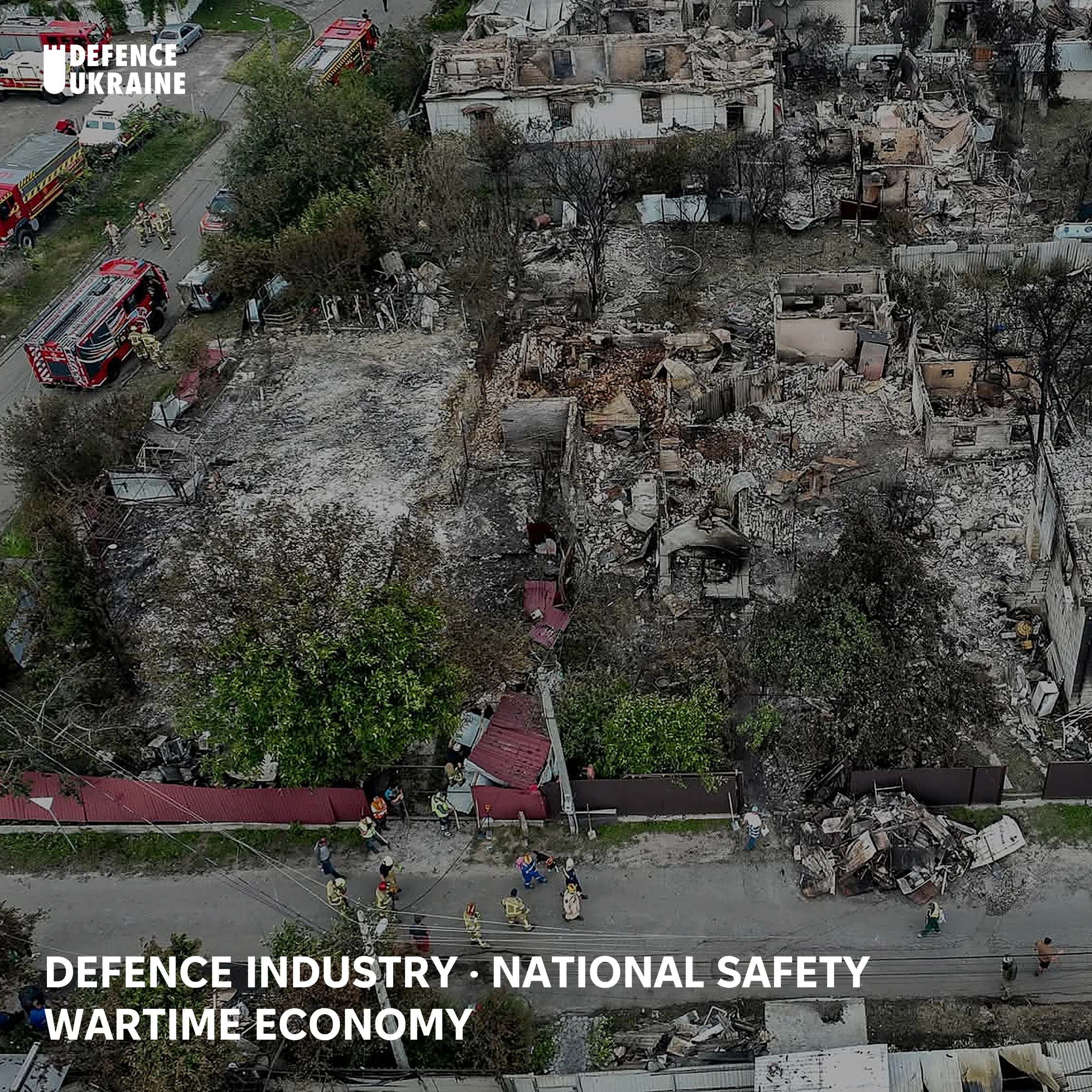
The 87 penetrating munitions killed 22 to 23 people across 38 impact locations in Kyiv, Dnipro, Poltava, Kharkiv, and Zaporizhzhia, with the toll still rising through 5 June as search-and-rescue continued. Approximately 130 to 138 were injured.
Dnipro recorded the highest concentration of fatalities: 15 to 16 killed, 42 injured. Russian forces executed a documented double-tap strike on the impact site, killing an emergency rescue worker. The Dnipro municipal authority documented the use of cluster munitions in built-up residential areas. Both are war crimes under international humanitarian law. In Kyiv, six to seven were killed and roughly 90 injured; five medical facilities were damaged or partially destroyed, with the worst destruction at a primary healthcare clinic in Holosiivskyi where the first three floors were annihilated. Strikes on medical facilities are protected under the Geneva Conventions.
The Kyiv Metro sheltered more than 41,000 people during the night alert, including 4,500 children, the highest single nighttime peak since the opening phase of the full-scale invasion in 2022. The figure is the human-scale measure of the air-defence supply constraint and the metric of a deliberate Russian terror campaign against the civilian population. Russia is launching weapons calibrated to penetrate when the defending system is rationed; the population's recourse is physical civil defence.
Zelensky's Pre-emptive Letter and the Washington Disconnect
Six days before the salvo, on 27 May, Zelensky sent a public letter to US President Donald Trump and the United States Congress requesting an immediate surge in Patriot PAC-3 munitions and additional firing units. The letter named the friction point precisely: "The current pace of deliveries through the PURL program is no longer keeping up with the reality of the threat we face", referring to the NATO Prioritised Ukraine Requirements List that channels US-made weapons to Kyiv.
The Pentagon response, delivered by Secretary of War Pete Hegseth at a 30 May press availability at the US Embassy in Singapore, offered no concrete commitment on PAC-3 transfers. Hegseth said the United States would "find a way" to help Ukraine, then pivoted to the Trump administration's 2027 budget request, citing a $56 billion "investment in drone dominance" and arguing that capability comes from scale rather than exquisite platforms. The pivot is responsive to the lower-tier aerodynamic threat. It is not responsive to the ballistic threat the 1-2 June salvo exposed. A loitering interceptor drone cannot engage a terminal-phase Iskander-M; the doctrinal logic Defence Ukraine's analysis of Western MALE drone substitution traced in April 2026 applies to attritable strike and ISR, not to anti-ballistic defence.
Trump's first direct response came on 4 June, after Zelensky published a separate open letter proposing direct negotiations with Vladimir Putin. Trump described a meeting as "great" and urged both sides to "get it done", pivoting the discourse from capability supply to negotiated resolution. The policy logic is incoherent: pushing Ukraine toward ceasefire while withholding the air-defence means to deter further bombing leaves Russia's 100-missile-per-month ballistic production capacity intact and free to coerce concessions under continued duress.
The European Response and the Q3 2026 Procurement Stakes
NATO Secretary General Mark Rutte travelled to Kyiv on 3 June for the first NATO-Ukraine Council meeting convened in the Ukrainian capital. Standing alongside Zelensky, Rutte confirmed that six undisclosed NATO nations had committed fresh financial contributions to the PURL programme to secure available Patriot components, an explicit acknowledgement that the US is structurally limited in its capacity to supply PAC-3 directly. Zelensky used the platform to articulate the policy admission the salvo had forced: "Europe needs its own anti-ballistic missiles so that this war can finally end."
The European pipeline is the one Defence Ukraine's air-defence pivot analysis described: the eight Franco-Italian SAMP/T NG batteries arriving in Ukraine for combat qualification, the RTX-MBDA COMLOG GEM-T scale-up at Schrobenhausen, and the Diehl IRIS-T SLM/SLS production expansion. The 1-2 June salvo has converted these programmes from medium-term hedges into Q3 2026 operational priorities. The 31 December 2026 SAFE Phase 2 deadline and the Q3 2026 disbursement schedule for the €60 billion military portion of the Ukraine Support Loan now govern whether the 26.8 per cent high-tier rate is a one-off failure or the operational baseline.
Russia is already preparing the next iteration. On the night of 3 June, Russian forces launched 198 drones in a follow-up wave that included no ballistic effectors; Ukrainian air defences neutralised 189. The drone-only composition confirms the husbanding pattern. The DIU's 2 June statement that Russian intelligence has identified the Ukrainian domestic missile industry as the priority target for the next phase of the air campaign indicates where the next event will land. The same saturation profile is what NATO's Eastern Flank Drone Wall procurement sprint is being built to defeat; the wall is not yet operational.
Strategic Implications for Ukraine
The 1-2 June salvo has compressed several timelines the May 2026 analysis had spread across the rest of the year. Three implications follow for Ukrainian and European force planners.
- The high-tier failure is the empirical confirmation of the structural thesis. Ukrainian commanders intercepted 11 of 41 ballistic and hypersonic effectors. The 26.8 per cent rate is not a tactical defeat; it is the operational manifestation of an upstream supply pipeline that has closed. Q3 2026 SAMP/T NG combat qualification, COMLOG GEM-T deliveries, and the SAFE Phase 2 air-defence allocation must now be treated as operationally urgent rather than mid-term capability investments. Every additional month of delay raises the probability that a 1-2 June salvo profile becomes the baseline rather than the peak.
- The Washington pivot to ceasefire is policy incoherence. Pushing Ukraine toward direct negotiations while withholding the air-defence means to deter further saturation strikes leaves Russia with a 100-missile-per-month ballistic production capacity intact and a demonstrated willingness to expend half of that capacity in a single shock event. The six-nation PURL coalition Rutte confirmed in Kyiv, the SAMP/T NG transfers, and the IRIS-T expansion are the only architecture currently addressing the supply problem the ceasefire pivot ignores.
- Russia's husbanding of ballistic stocks dictates the timeline for the next event. Expending 33 Iskander-M missiles in one night against a 55-to-60-per-month production rate means reconstitution for a comparable salvo runs on a roughly three-week cycle. The DIU's identification of the Ukrainian missile industry as the next priority target indicates where the next event will land. European procurement timelines need to match that cycle, not parliamentary or budgetary calendars.
Conclusion
The 30 ballistic effectors that hit Kyiv, Dnipro, and Kharkiv on the night of 1-2 June are not yet the operational baseline. Russia expended approximately half a month of Iskander production to achieve that strike pattern, and the Kremlin's strategic reserve cannot sustain the cadence indefinitely. The next eighteen months will determine whether the European procurement response converts the SAMP/T NG combat qualification, the GEM-T volume scale-up, and the SAFE Phase 2 air-defence allocation into deployed capability before Russia's next coordinated salvo. The 26.8 per cent high-tier intercept rate on 1-2 June is the warning. The 31 December 2026 SAFE Phase 2 deadline and the Q3 2026 Ukraine Support Loan disbursement schedule are the deadlines the rest of the war now runs against.
Defence Ukraine's analysis of Ukraine's deep-strike campaign against Russian oil and gas infrastructure is the supply-side complement to this piece. While this analysis traces the demand-side consequences of structural Patriot exhaustion, the deep-strike piece traces how Ukraine is degrading the Russian fiscal model that pays for those missiles. The two campaigns are not symmetric: Russian saturation strikes deliberately target Ukrainian civilians, while Ukrainian deep-strike targets the revenue engine that finances the war.
Defence Ukraine's analysis of Russian air-defence depletion under Ukraine's deep-strike campaign traces the mirror-image dynamic on the Russian side: the same interceptor-magazine attrition math that Ukrainian air defences have absorbed against Russian saturation salvos is now running against Russian air defences under Ukrainian deep-strike pressure.