Editor's note (31 July 2026): The succession this article assumed did not occur as reported. Zelensky nominated Interior Minister Ihor Klymenko to succeed Fedorov on 15 July; Klymenko refused the portfolio the following day. Major-General Yevhenii Khmara is the caretaker Defence Minister as of publication of this note; his first procurement instrument layers mandatory supplier vetting on top of the Fedorov rails described below. The paragraphs on Klymenko below refer to the succession scenario expected at time of writing, not to actual events.
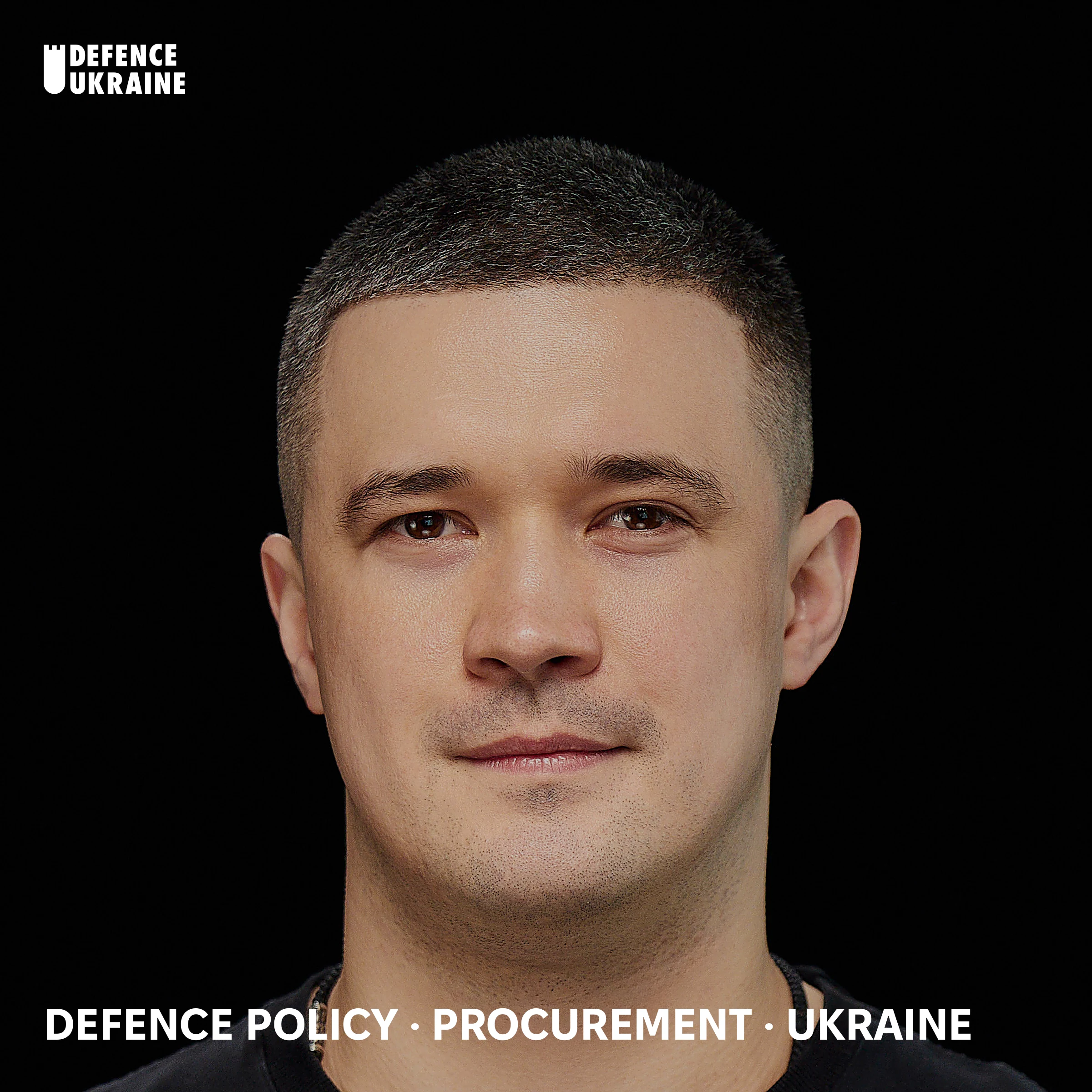
On 16 July 2026, Mykhailo Fedorov formally departed the Ministry of Defence after 182 days in office. He had held the portfolio since 14 January, when Denys Shmyhal moved to First Deputy Prime Minister and Minister of Energy to handle a deepening grid crisis. Prime Minister Yulia Svyrydenko resigned the same week, and President Volodymyr Zelensky nominated Interior Minister Ihor Klymenko as Fedorov's proposed successor [see Editor's note]. The Rada Defence Committee reportedly refused to support the resignation motion. Four days before his removal, Fedorov had signed the EU-Ukraine Defence Industrial Partnership with European Commission President Ursula von der Leyen in Kyiv, releasing a €1 billion drone-capability tranche from the €90 billion Ukraine Support Loan and committing to expand the partnership to anti-ballistic missiles by 2028.
Fedorov's six months were the technocratic execution phase of a reform arc the ministry had been running since 2022. The coalition diplomacy platform built under Oleksii Reznikov, the Defence Procurement Agency and Danish Model financing structures built under Rustem Umerov, and the 18-corps force structure and universal DELTA mandate delivered under Shmyhal were all in place when Fedorov took office. What he added is what his tenure will be identified with: a decentralised digital procurement mechanism. It pushed acquisition authority to the tactical edge, compressed supply timelines to six to ten days, and integrated more than four hundred combat units into a marketplace of over eight hundred domestically produced systems.
What Fedorov Built
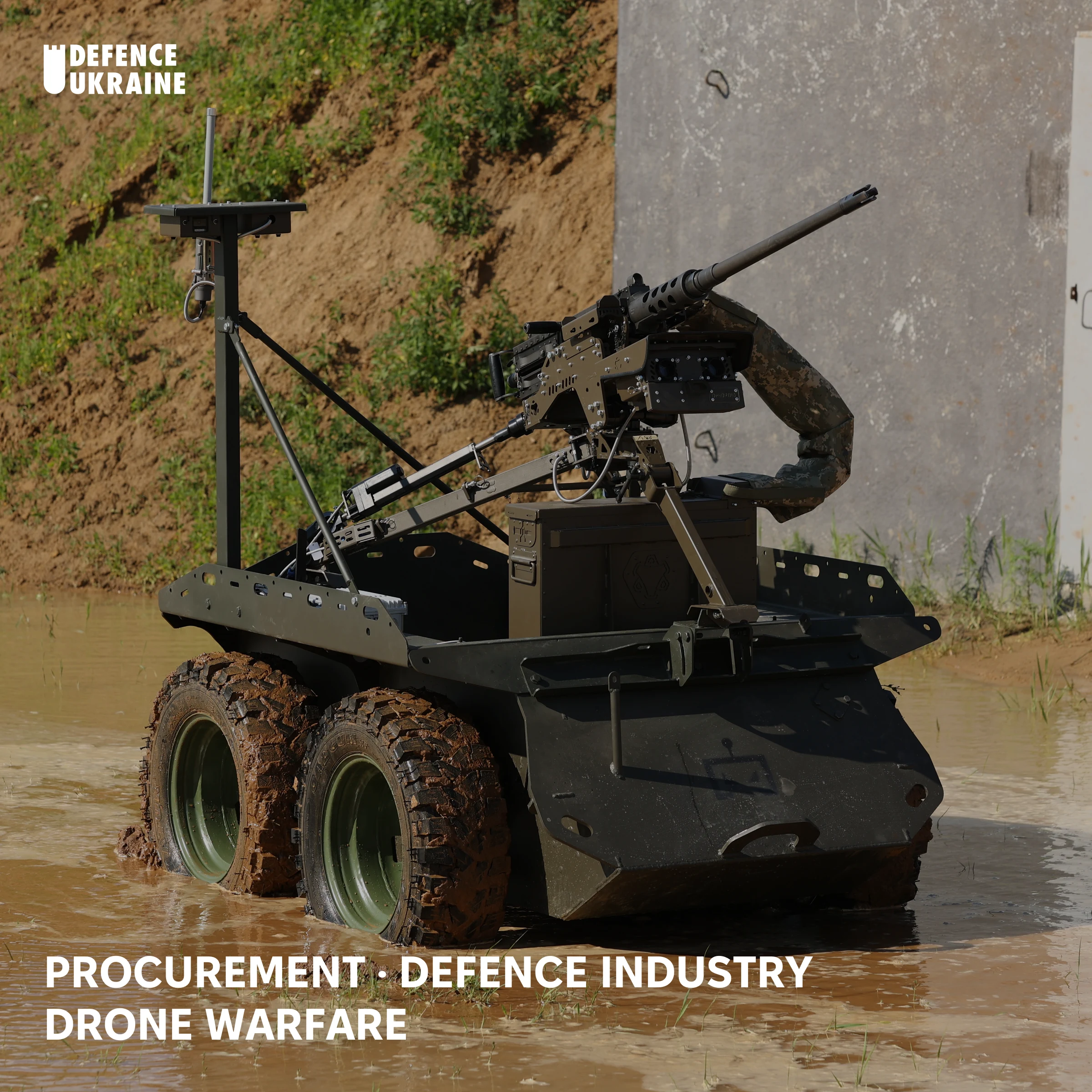
The signature reform was the institutionalisation of the Brave1 Marketplace alongside the e-Points system. Under Fedorov, more than four hundred combat units were integrated into a digital marketplace featuring over eight hundred domestically produced robotic systems, electronic warfare tools, and uncrewed aerial vehicles. Units earned e-Points by executing verified combat missions, with higher payouts for destroying high-value targets and additional points for reconnaissance, logistics, and medical evacuation. The points functioned as a digital currency: brigade commanders could bypass centralised procurement bureaucracy and order the specific systems their sectors required for their immediate tactical environments. The DOT-Chain Defence backend handled logistics and authorised advance payments to manufacturers of up to seventy per cent to stimulate production, reducing the average supply timeline to six to ten days. By April 2026, Fedorov reported that ninety-five per cent of procured drones were domestically sourced.
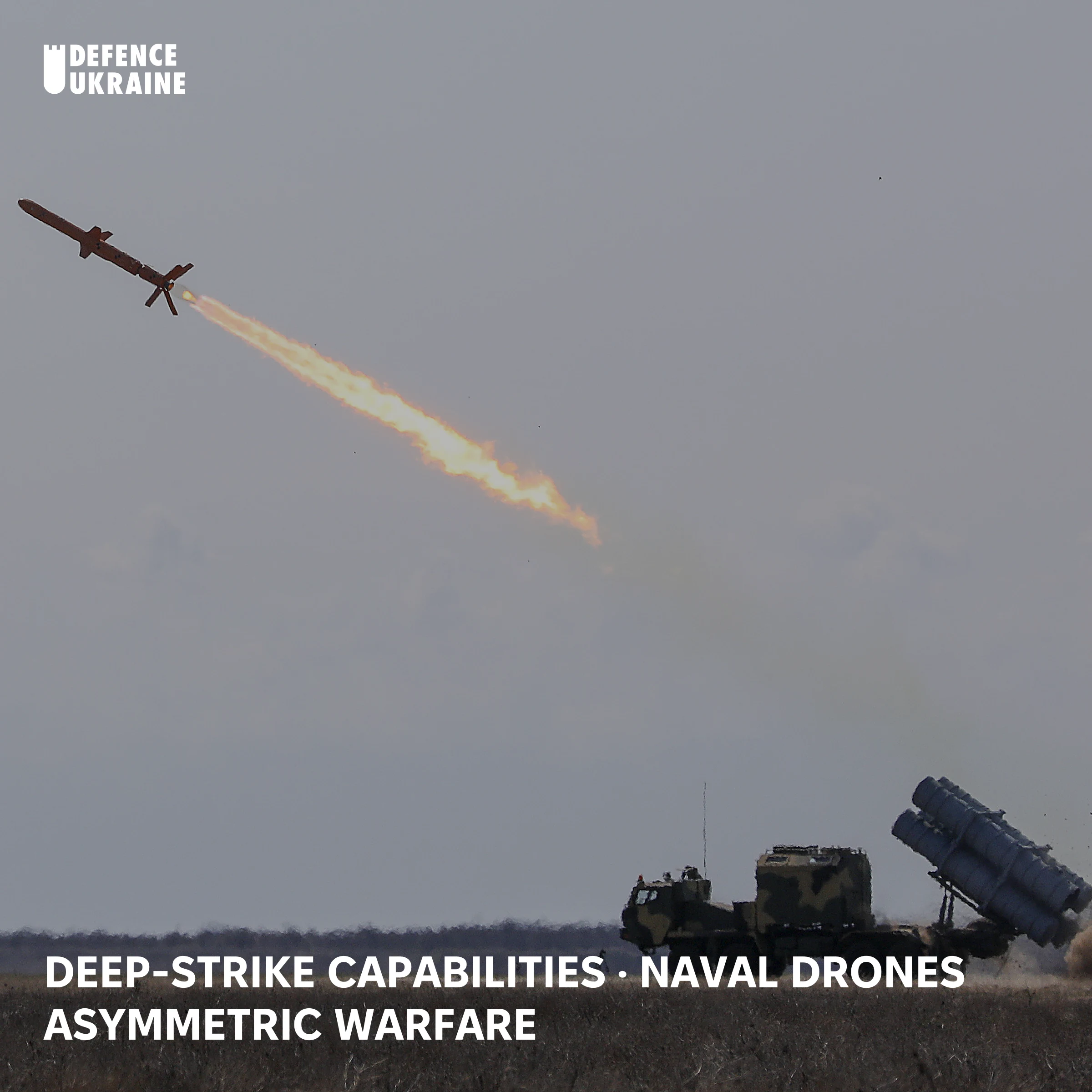
Underneath the marketplace mechanics was a deliberate reallocation of the defence budget. Fedorov moved capital away from legacy heavy systems and toward fibre-optic FPV drones, autonomous interceptor drones, and deep-strike platforms capable of striking Russian oil infrastructure and airfields. The reallocation matched the operational reality that drones had overtaken artillery as the primary battlefield killer, and it built on the industrial capacity Umerov's tenure had scaled through the Danish Model. Fedorov's ministry integrated the accelerated pipeline of small and medium enterprises coming out of Brave1 with the payment rails DOT-Chain provided, giving Ukrainian defence-tech companies working capital at a cadence that private venture financing could not match. Defence Ukraine's guide to Ukrainian procurement documented the working state of the reformed system at Umerov's departure; the six months under Fedorov added the marketplace layer on top.
The international arc of the tenure was compact but weighty. Fedorov attended the 35th Ukraine Defence Contact Group meeting on 18 June and drove the technological framing at the Ukraine Recovery Conference in Gdansk on 25-26 June. At the 7-8 July Ankara NATO Summit he set the drone-procurement track, with deals following under the E5 format alongside Estonia, Denmark and the Netherlands. He was thirty-five when he took the portfolio, the youngest defence minister in Ukraine's history and the first with a technology-industry background rather than a diplomatic, legal, or military one. His prior work as Minister of Digital Transformation and architect of the Diia e-government platform gave the ministry a distinctive operating culture during his tenure: startup cadence rather than bureaucratic cadence, product management rather than programme management.
The 15 July Signing
Fedorov's final major act was the EU-Ukraine Defence Industrial Partnership signed in Kyiv on 15 July 2026, one day before his removal. Von der Leyen received the Order of Freedom from President Zelensky at the same ceremony. The partnership released an immediate €1 billion tranche dedicated specifically to Ukrainian drone capability, drawn from the €90 billion Ukraine Support Loan framework the European Council had previously authorised. It committed the signatories to expanding the partnership into joint anti-ballistic missile production by 2028, which directly supports the pan-European Freya (FP-7.x) interceptor programme developed by Fire Point with Diehl Defence. It formalised joint ventures between European primes including Fincantieri, Quantum Systems, and TERMA and Ukrainian entities including Skyfall Industries and Athlon Avia, and it committed to removing barriers to intellectual property sharing and to aligning procurement standards.
The structural significance of the deal for Fedorov's tenure is that it embedded the Brave1 pipeline and Ukrainian primes into the European security architecture at a level that no earlier agreement had achieved. The Ukraine-Tested procurement framework that Defence Ukraine documented in June had rested on ad hoc bilateral arrangements and the Danish Model. The 15 July signing converted that framework into a bloc-level instrument with named participating companies and named delivery milestones. It was, in the reporting of European Commission communications and Brussels-based analytical outlets, the diplomatic culmination of a four-year Ukrainian defence-industrial arc.
The Dismissal and Its Reception
Fedorov's removal on 16 July was widely and openly contested in the reporting that followed. The Financial Times ran "Zelensky sacks Ukraine's popular defence minister"; the Guardian framed the decision as "dismissing Ukraine's defence minister on eve of Starmer visit". Multiple Ukrainian outlets including Ukrainska Pravda, LIGA.net, and NV.ua reported that the Rada Defence Committee refused to support the resignation motion, an unusual signal from a committee that typically ratifies executive personnel decisions during wartime. Kyiv Post and Defense News reported that Fedorov's aggressive push to move procurement to transparent tenders, and his insistence on blocking attempts to steer contracts to favoured companies, had generated sustained friction with legacy financial networks embedded in the defence sector.
A parallel line of reporting documented friction between Fedorov and Commander-in-Chief General Oleksandr Syrskyi over the boundary between ministerial authority and General Staff operational discretion. The Financial Times, Defense News, and Ukrainska Pravda reported the friction as a live variable in the removal decision; the Ukrainian General Staff publicly denied the existence of a conflict, citing prior statements that had already reported the absence of one. The public reception in Kyiv, per Ukrainska Pravda and Euromaidan Press, was that Fedorov's ministry had achieved international recognition at Ankara and Kyiv only for him to be removed by the political system that had appointed him. Whether that reading holds through subsequent reporting is a live editorial question rather than a settled one.
Attrition Under Fedorov, With Heavy Caveats
The Ukrainian General Staff daily bulletins offer a lens on what shifted under Fedorov's six months, though the figures below reflect Ukrainian General Staff claims as published in official bulletins, not neutral OSINT. Independent counts including Oryx typically validate sixty to seventy per cent of General Staff tank and armoured fighting vehicle claims. Mediazona and the BBC Russian Service had by-name confirmed 230,624 Russian military fatalities by early July, extrapolating to an estimated 417,000 to 509,500 total actual fatalities. Ukrainian General Staff cumulative claims by the end of the Fedorov tenure stood at 1,388,050 combined killed and wounded.
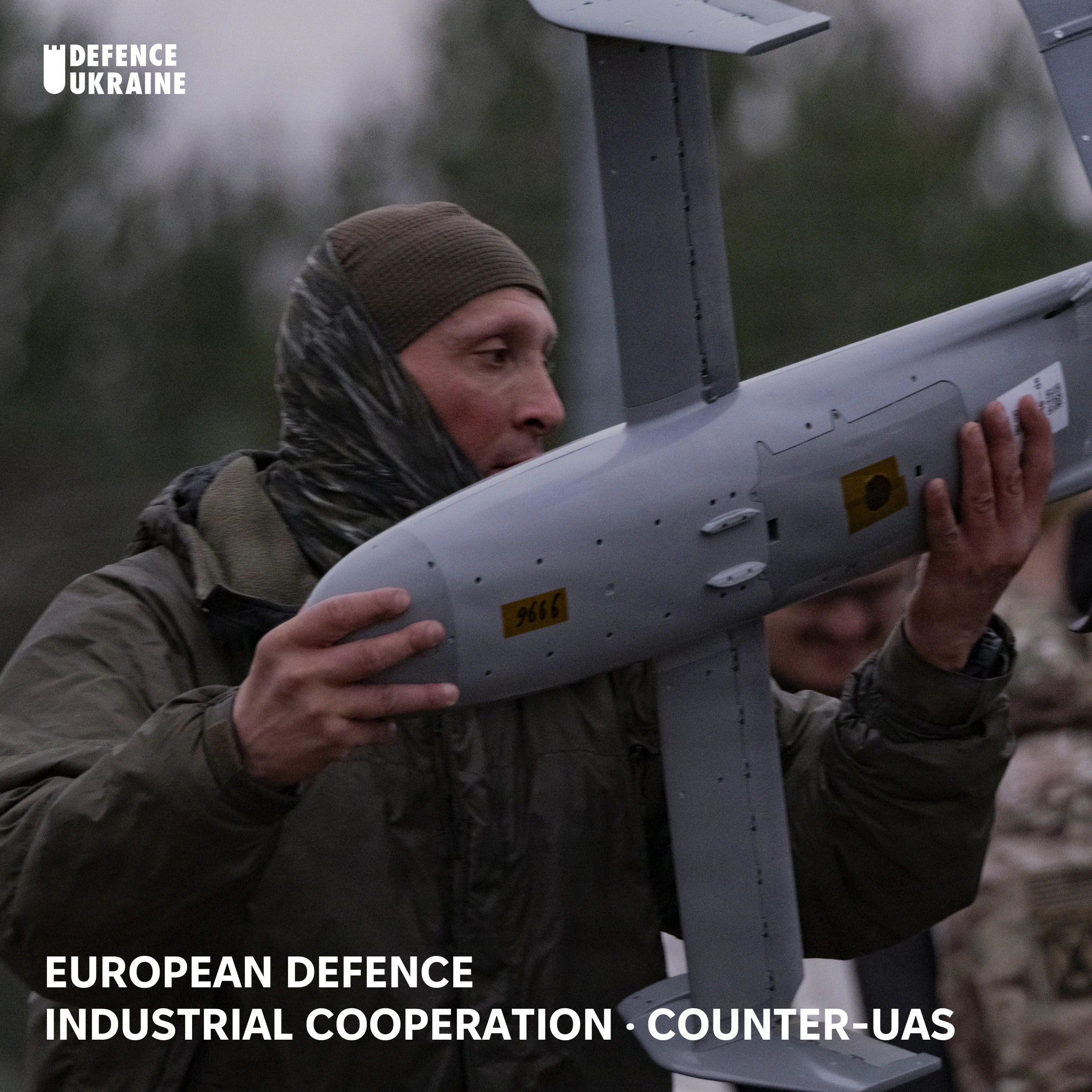
Under Fedorov, the General Staff-reported daily average of tactical UAV losses inflicted on Russian forces reached approximately 125 per day, up from about 88 daily under Shmyhal and 34 under Umerov. This is the closest the data comes to a clean reform signal. The increase correlates with Fedorov's institutionalisation of dedicated interceptor-drone squadrons tasked with hunting Russian Shahed variants and reconnaissance UAVs. It also correlates with the incentive structure e-Points created, prioritising counter-UAV strikes at the combat-unit level.
Other figures rose or fell for reasons that cannot be attributed cleanly to Fedorov's reforms. General Staff-reported daily personnel losses inflicted reached approximately 1,180 under Fedorov, up from about 1,120 under Shmyhal, but the drone-saturation phase that had begun in late 2024 is the primary explanatory variable. Tank losses inflicted fell to about 4 per day, down from 5.8 under Shmyhal and 7.2 under Umerov, but Russian doctrinal withdrawal of heavy armour from the zero line, not any Ukrainian reform, is the primary explanatory variable. Reported daily losses of vehicles, fuel tanks, and artillery systems climbed steeply under Shmyhal and further under Fedorov, correlating with the saturation of the battlespace by Ukrainian FPV drones targeting logistics nodes in the operational rear. These figures illustrate what shifted; they do not adjudicate ministerial performance, and no responsible reading can convert them into a scorecard.
What Klymenko Inherits
Ihor Klymenko arrives at the ministry from the Interior portfolio with a background in the National Police and internal security. His publicly signalled priorities focus on stabilisation, administrative control, and the chronic manpower and mobilisation bottlenecks the corps structure has surfaced. Reporting in Defence24 and the Financial Times has read his appointment as a return to hierarchical management and a signal that the President's office wants smoother relations with the General Staff after the Fedorov period.
The reform inheritance is substantial. Coalition diplomacy through Ramstein, the Defence Procurement Agency, the Danish Model, the Kongsberg-Ukraine joint venture, the 18-corps structure, DELTA, Brave1 Marketplace, e-Points, DOT-Chain, the EU-Ukraine Defence Industrial Partnership, and the €140 billion Ankara envelope are all in place. Two structural questions remain live. The Allied Quality Assurance Publications certification bottleneck continues to keep most Brave1 small and medium enterprises out of full European procurement integration; large state primes including Antonov have achieved regulatory parity but the tactical-tier suppliers have not. The working boundary between ministerial authority and General Staff operational discretion that Fedorov's tenure exposed remains unresolved, and Klymenko's Interior-background profile is likely to be read by the General Staff as a signal on that specific question.
Strategic Implications for Ukraine
- Reforms outlast the minister. The Brave1 Marketplace, e-Points, and DOT-Chain that Fedorov institutionalised sit in binding decree, operational field use across four hundred-plus combat units, and confirmed integration with the DPA and Danish Model financing rails. Continuity of the underlying architecture does not depend on continuity of ministerial personality, and this is the durable strength of the reform arc.
- The €140 billion Ankara envelope disburses through Fedorov's plumbing. The DPA, DOT-Chain payment rails, and Brave1 Marketplace are the mechanisms through which allied capital reaches Ukrainian production lines at the cadence a wartime economy requires. Pledged capital will not disburse faster than the plumbing carries it, which places operational execution of the reform inheritance directly on Klymenko's agenda from day one.
- Attrition figures are descriptive, not adjudicative. The Ukrainian General Staff numbers illustrate what shifted under Fedorov's watch, but the drone-saturation phase transition, Russian tactical withdrawal, and allied technology arrival patterns are large enough confounding variables that no responsible reading can convert the numbers into ministerial-performance scorecards. Tactical UAV interception is the closest thing to a clean reform signal; the rest track the phase of the war.
- The unresolved bottlenecks name Klymenko's execution agenda. AQAP certification for Brave1 small and medium enterprises, mobilisation policy inside the 18-corps structure, and the working boundary between ministerial authority and General Staff operational discretion are the three items Fedorov's tenure did not resolve. Klymenko's ministry will be assessed on execution against those specific issues rather than on new architectural design, and Defence Ukraine will track that assessment through the rest of 2026.