What It Is
The Integrated Anti-Ballistic Missile Coalition (IABMC) is a European sovereign hedge against United States Patriot supply constraints. Constituted in Paris on 13 July 2026 by Ukraine and nine European states, the coalition finances accelerated production of the FP-7.x interceptor developed by Fire Point, a private Ukrainian firm previously known for the Flamingo cruise missile.
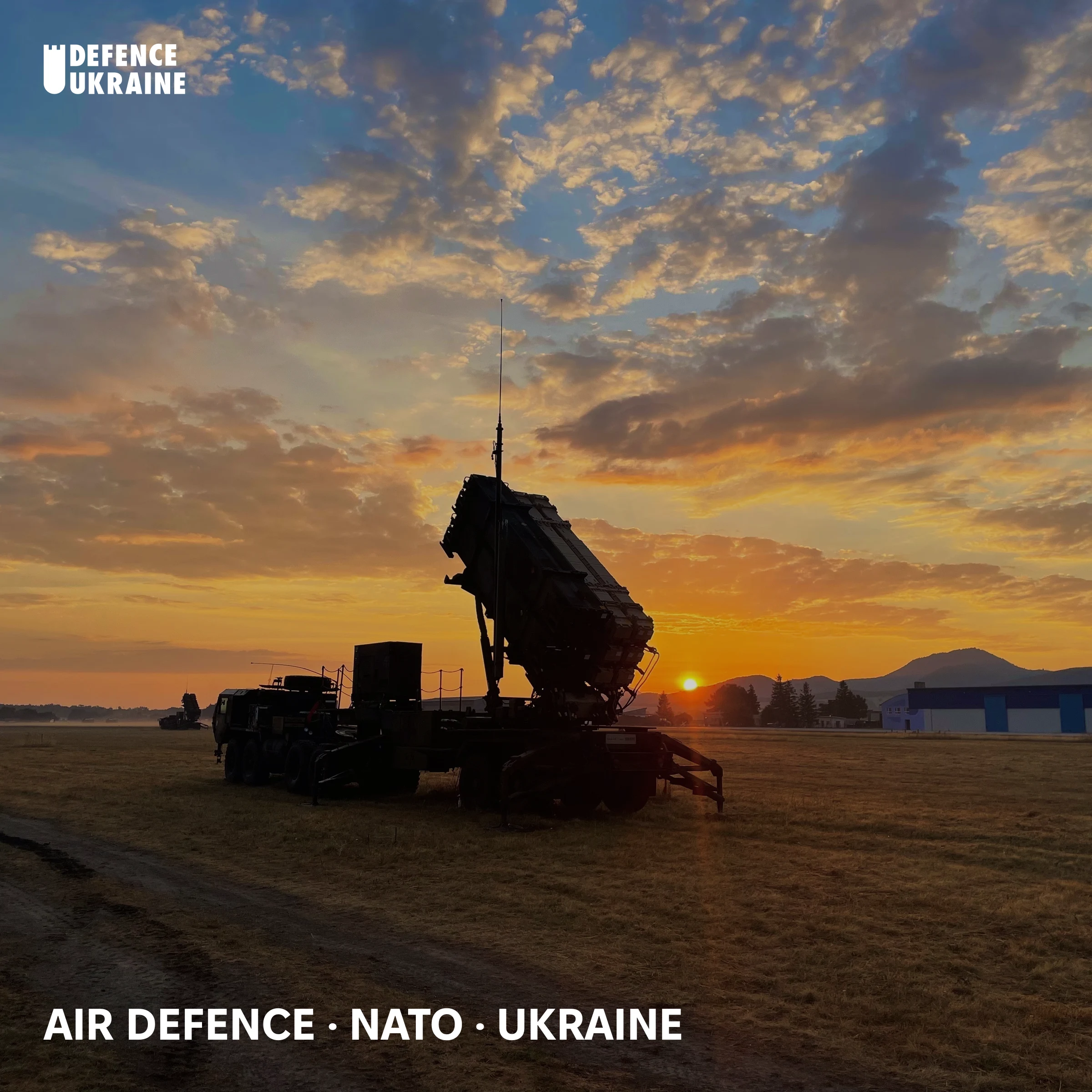
Freyja is the coalition's flagship project: the industrial and political programme financing the FP-7.x interceptor. President Volodymyr Zelensky described the coalition on 6 August 2026 as already actively underway, targeting concrete deliverables by the turn of 2026 to 2027. The mechanism sits alongside Ukraine's broader pivot toward European air-defence effectors after the sequential failures of American Patriot resupply flows.
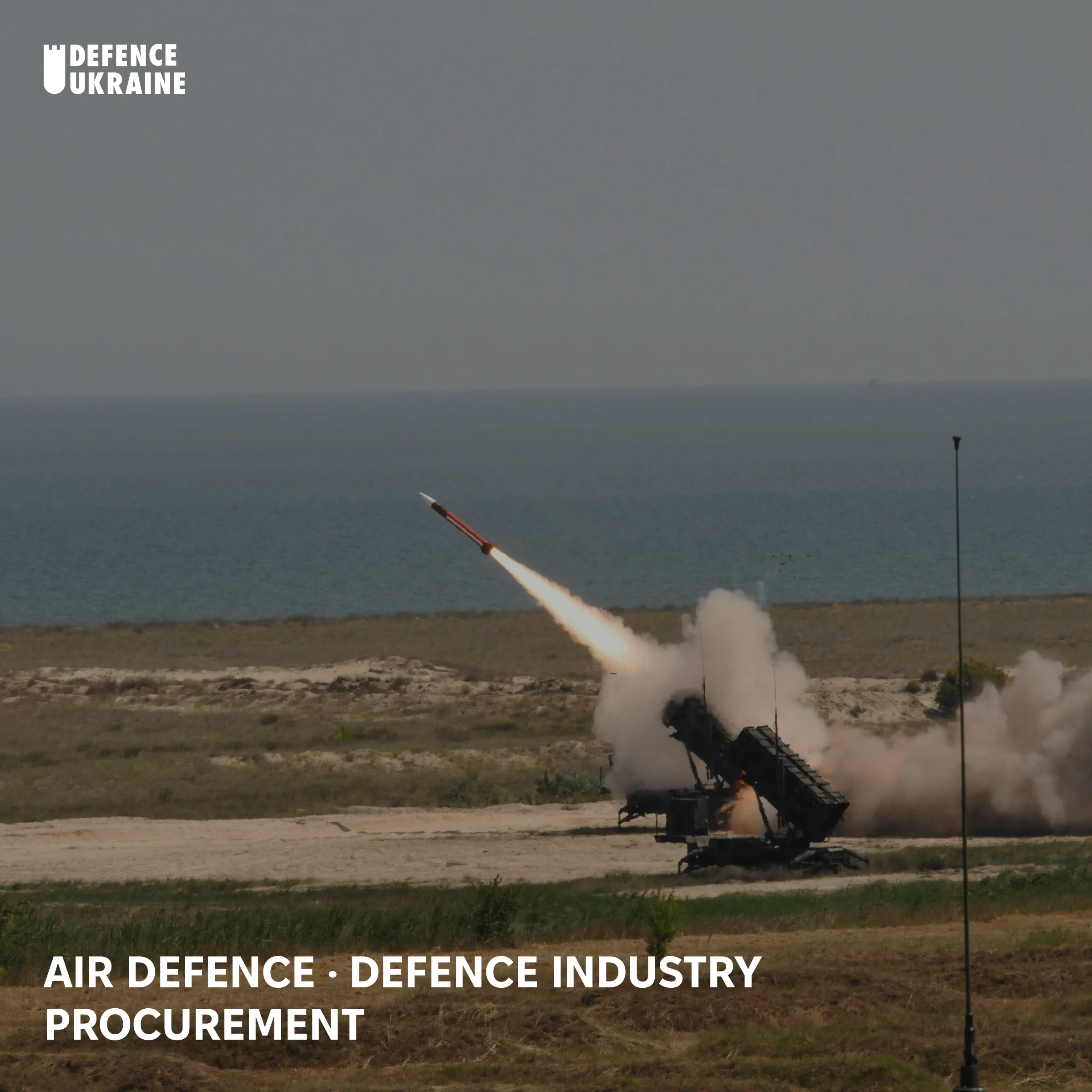
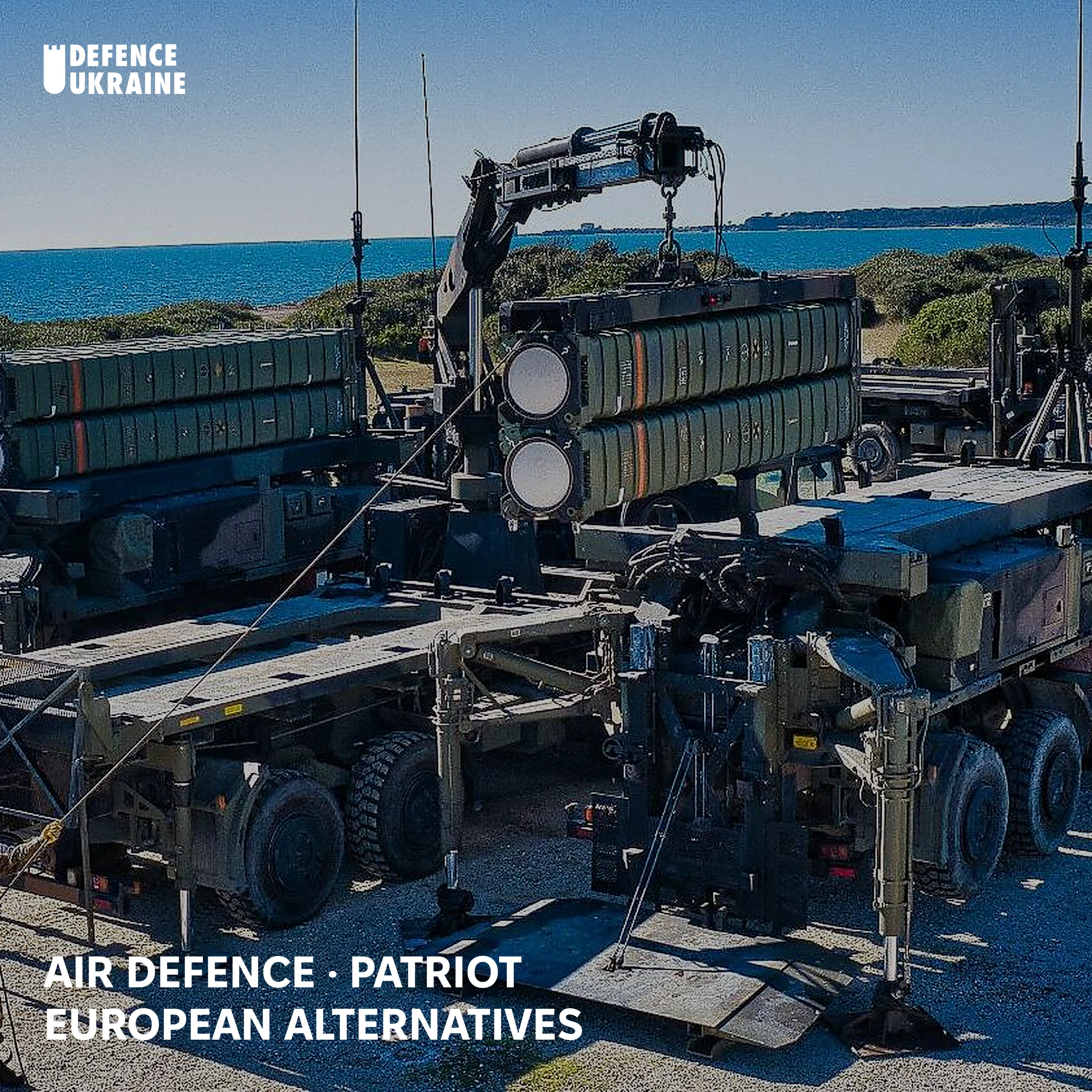
Its strategic rationale is straightforward. The 31 July 2026 reversal of the Patriot manufacturing licence by the United States left Kyiv without a credible path to indigenous PAC-3 assembly, and the saturation strikes of early summer 2026 revealed that European stocks of high-tier anti-ballistic effectors are structurally exhausted. The IABMC attempts to industrialise a European-Ukrainian alternative fast enough to matter before the 2026 to 2027 winter aerial campaign.
Coalition Membership And Industrial Partners
Ten sovereign participants sit inside the coalition as of August 2026: Ukraine, the United Kingdom, Denmark, France, Germany, Italy, the Netherlands, Norway, Spain, and Sweden. France convenes the political layer, having hosted the constitutive Paris meeting. Nordic states channel financing through the Danish Model architecture, while Germany contributes both capital and the critical sensor and seeker technology stack.
By 4 August 2026, Fire Point had assembled thirteen European industrial partners around the interceptor. The senior technical partners are Germany's Diehl Defence, which supplies an imaging-infrared seeker derived from the IRIS family, and Germany's Hensoldt, which delivers the TRML-4D active electronically scanned array radar. Norway's Kongsberg Defence and Aerospace is responsible for the command-and-control centre linking sensors and effectors. Additional named contributors include Saab of Sweden, Thales of France, Leonardo of Italy, and further tier-one European primes covering data-link, launcher and propellant subsystems.
The coalition holds no independent legal personality. Political coordination runs through the ad hoc format established in Paris, with financial disbursement structured through parallel bilateral tracks. The 15 July 2026 EU-Ukraine Defence Industrial Partnership committed the parties to expanding cooperation into joint anti-ballistic missile production by 2028, giving Freyja an anchor inside the wider treaty architecture.
Interceptor Design And Cost
The FP-7.x is a two-stage solid-fuel interceptor designed to defeat quasi-ballistic and tactical ballistic threats at exo-atmospheric closing speeds. Fire Point specifies a target intercept envelope of roughly twenty-four kilometres altitude and closing velocities up to Mach 5.9. The airframe uses a Diehl imaging-infrared seeker in the terminal phase and receives mid-course updates through a European data link currently under integration.
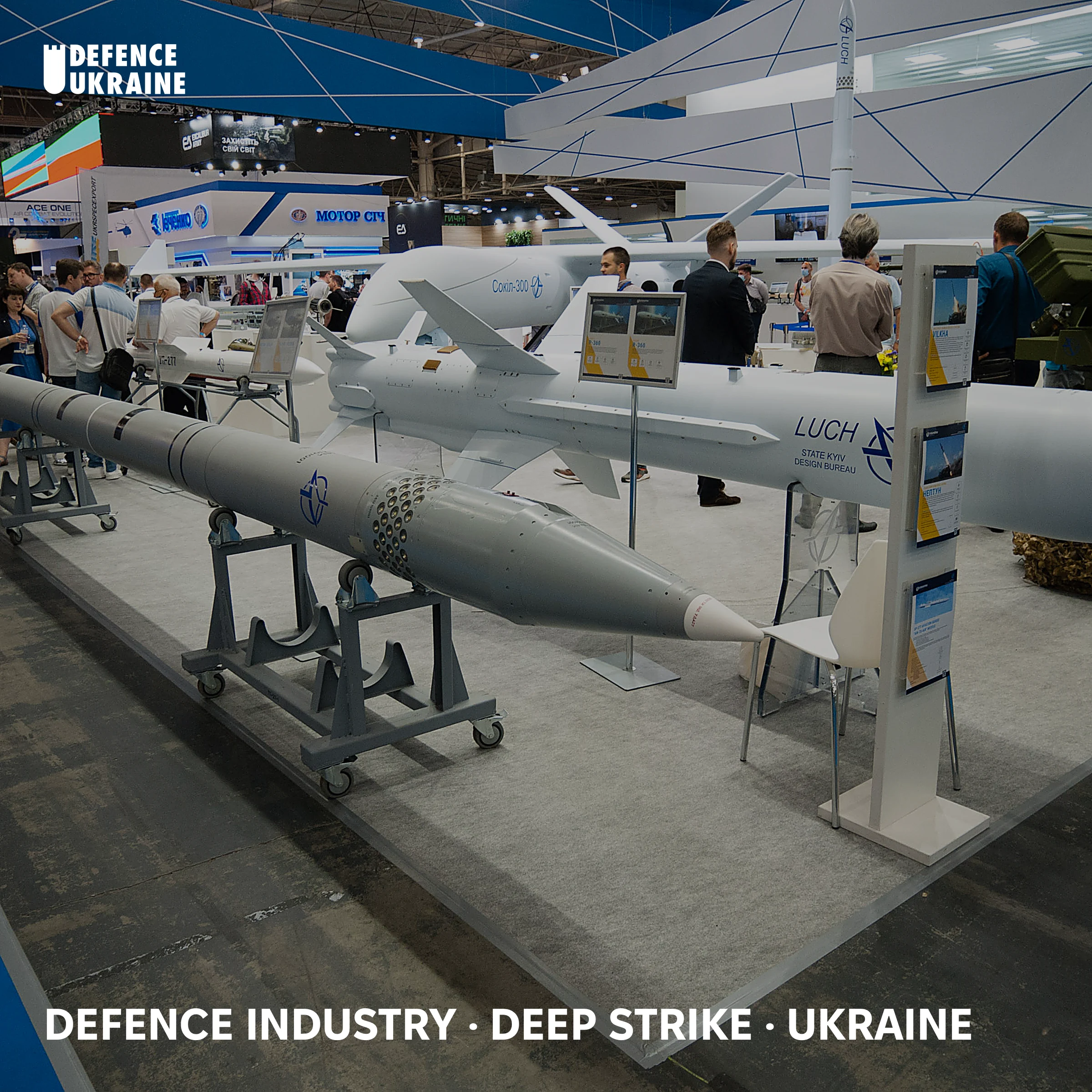
Cost sits at the centre of the coalition's political sales pitch. Fire Point's stated production target is under €1 million per unit at scale, roughly one-quarter to one-sixth of the cost of a Patriot PAC-3 MSE round. Earlier reporting cited a lower figure of approximately $700,000, though the €1 million ceiling has become the more widely quoted target during 2026 as the coalition matured. Even at the higher end, the FP-7.x remains materially cheaper than any comparable Western effector currently in production, a point emphasised in the Defence Ukraine assessment of the domestic missile industry.
Fire Point completed the first fully guided manoeuvring flight of the FP-7.x on 3 June 2026, a threshold event the company described as validating the airframe and control architecture for the ballistic engagement regime. First interceptors are targeted for delivery by the end of 2026, with the first live intercept forecast by Fire Point for mid-2027. Fire Point's chief designer, Denys Shtilerman, has publicly conditioned that timeline on European partners moving seekers, data links and command-and-control equipment into serial supply on schedule.
Load-bearing Outputs
The coalition tracks progress against a compact set of production and integration milestones:
- First guided manoeuvring flight of the FP-7.x: completed 3 June 2026.
- Formal coalition constitutive meeting: Paris, 13 July 2026.
- Industrial partner count: thirteen firms confirmed by 4 August 2026.
- First interceptors ready for combat evaluation: target end 2026.
- First live intercept against a ballistic threat: target mid-2027.
- Two-thousand-round European stockpile: aspirational programme goal beyond 2027.
- Joint European-Ukrainian anti-ballistic production line: legally binding commitment by 2028 under the EU-Ukraine Defence Industrial Partnership.
Fire Point has not disclosed a first-year production ceiling. Its longer-run ambition, endorsed by coalition members, is to reach a rolling European stockpile of roughly two thousand FP-7.x rounds, at which point the interceptor could underwrite the anti-ballistic requirement for both Ukraine and forward NATO airspace on Europe's eastern flank.
Contested Points And Open Questions
The most acute open dispute concerns the solid rocket propellant supply. Fire Point chief executive Denys Shtilerman told the Financial Times in July 2026 that Denmark had frozen a 2025 propellant delivery agreement in the wake of the Operation Midas wiretap allegations, which named former Ukrainian defence minister Rustem Umerov. The Danish Ministry of Business and Industry publicly denies any suspension of the agreement. The dispute remains unresolved as of August 2026 and represents the single highest-risk point of failure in the FP-7.x supply chain.
Timeline expectations have already slipped. The coalition's public messaging in July 2026 pointed to a fielded interceptor within a year, whereas Fire Point's August 2026 statements moved the first live intercept out to mid-2027. Programme observers note that a first intercept demonstration is not the same as combat-ready serial production, and neither Fire Point nor coalition partners have published a serial-production date.
A further friction point is European qualification. Ukrainian small and medium enterprises seeking to feed the Freyja supply chain must clear NATO AQAP quality management certification, a multi-year process that the BraveTech EU Phase 2 workaround has only just begun to compress.
What To Watch
Four indicators will determine whether the coalition succeeds in industrialising the FP-7.x on the compressed timeline it has publicly committed to.
The first is the initial live intercept event, currently targeted for mid-2027. Failure to demonstrate a successful engagement of a real ballistic threat within that window would call the entire coalition into question and reopen political pressure for a renewed United States Patriot licence.
The second is the resolution of the Danish propellant dispute. Any confirmed disruption to fuel supply would force Fire Point to source substitute propellant from either the United Kingdom or the emerging Ukrainian domestic manufacturer, both of which introduce further scaling risk.
The third is the 2028 joint anti-ballistic production commitment written into the EU-Ukraine Defence Industrial Partnership. That treaty deadline forces coalition members to convert political declarations into legally binding production-sharing agreements, a step the current Paris format has yet to formalise.
The fourth is any American reversal of the 31 July 2026 Patriot licence position. A restoration of the Patriot pathway would introduce a competitor for scarce Ukrainian aerospace engineering talent and solid rocket propellant, potentially undermining the coalition's political rationale even where its technical case remains sound.