What It Is
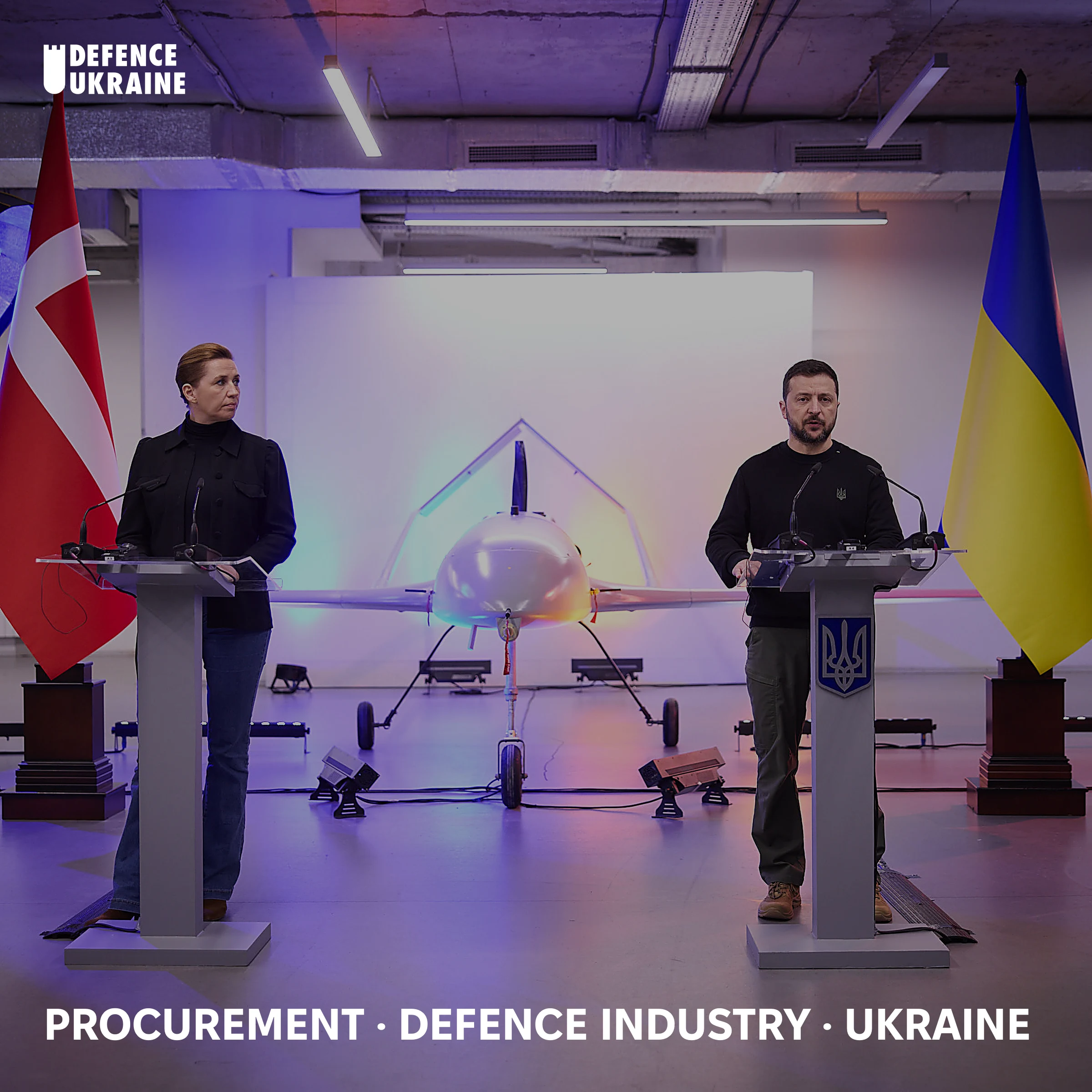
The Danish Model is the informal name for a bilateral financing mechanism under which the Danish government pays for weapons produced inside Ukraine, using the Danish Defence Acquisition and Logistics Organisation (DALO) as fiduciary and auditor. Contracts flow between DALO and the Ukrainian Ministry of Defence, which then places production orders with certified domestic manufacturers.
Denmark launched the model as a €590 million trial in 2024. It scaled to a projected €1.3 billion for the 2025-2026 cycle. From 2025, the European Peace Facility and several allied governments began disbursing their own contributions through the same conduit, converting a national initiative into a multi-donor procurement standard for the Ukrainian defence-industrial base.
The model was formally recognised at bloc scale on 15 July 2026, when the EU-Ukraine Defence Industrial Partnership designated it as the pre-audited channel for a €28.3 billion 2026 tranche of the Ukraine Support Loan. What began as a Copenhagen policy choice now underwrites a defined share of European defence disbursement into Ukrainian factories.
The distinctive feature is procedural. Where standard EU procurement routes capital through Western prime contractors under lengthy tendering, the Danish Model buys directly from the Ukrainian supplier that will physically produce the item. Copenhagen accepts the audit and reputational burden that comes with that shortcut. The result is a shorter contracting cycle, higher share of allied spending physically landing on Ukrainian factory floors, and a working precedent that other capitals can adopt without inventing new legal instruments.
How It Works
Allied capital transfers into segregated U24 accounts at the Ukrainian Ministry of Defence. These accounts are ring-fenced from the general state budget, so donor funds cannot be redirected to non-defence purposes without breaching the contract.
DALO conducts on-site financial and operational auditing of the recipient manufacturer before authorising the contract. The audit covers production capacity, financial governance, delivery history, and end-user documentation. Once cleared, the contract carries a 50 to 70 per cent prepayment, deposited directly to give the manufacturer working capital to buy components, hire labour, and scale output.
The core matching decision sits with the Ukrainian Ministry of Defence: it identifies a domestic supplier with spare production capacity for a given platform, presents the case to DALO, and, if the audit clears, the contract signs. Manufacturers deliver against a schedule that DALO then verifies. Contracted platforms are typically drawn from the certified catalogue maintained under the Brave1 cluster, which shortens the qualification stage for smaller producers.
The Danish Model deliberately shortens the standard European procurement cycle. Where SAFE-funded contracts through Western prime contractors can take 12 to 24 months to reach a first delivery, the Danish channel routinely closes contracts and starts deliveries within a quarter, provided the audit passes.
A representative flow illustrates the mechanics. A donor state signals intent to finance, say, an additional battery of Bohdana howitzers. The Ukrainian Ministry of Defence identifies the certified producer with the shortest lead time and confirms available production slots. DALO opens the audit file, inspects the manufacturer’s books and production line, and confirms end-user documentation. A tripartite contract signs between DALO, the Ukrainian Ministry of Defence, and the manufacturer. Prepayment lands in a segregated U24 account within days of signing. Production begins immediately; delivery is verified at the receiving unit and the audit trail closes. Every stage is documented for allied parliaments and audit bodies, which is what makes the model politically portable across donor governments.
Governance And Financing
Governance rests with DALO and the Danish Ministry of Defence. The Danish national Ukraine Fund provides the sovereign anchor, backed by DKK 70.5 billion (roughly €9.4 billion) committed across the current Danish defence agreement window.
From 2025, the European Peace Facility began routing windfall proceeds from immobilised Russian sovereign assets through the same DALO conduit. In 2025 the Danish Ministry of Defence reported disbursing approximately €830 million on behalf of the EU for procurement inside Ukraine, alongside roughly €125 million from the Danish Ukraine Fund. A total of about DKK 4.4 billion cleared through the model in 2024 across sovereign and multilateral sources.
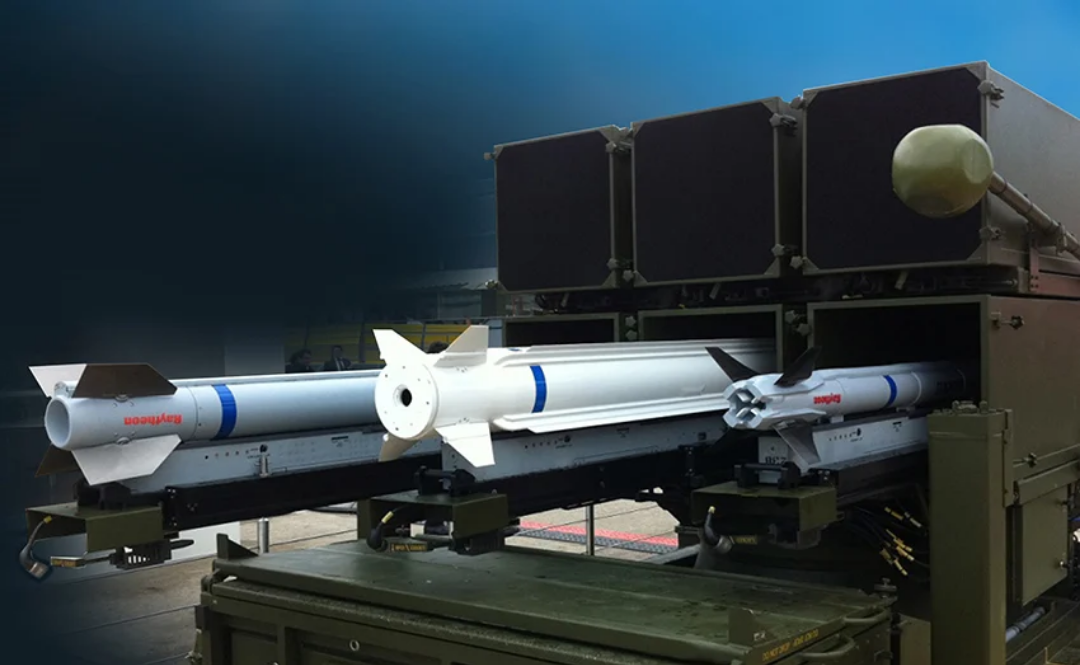
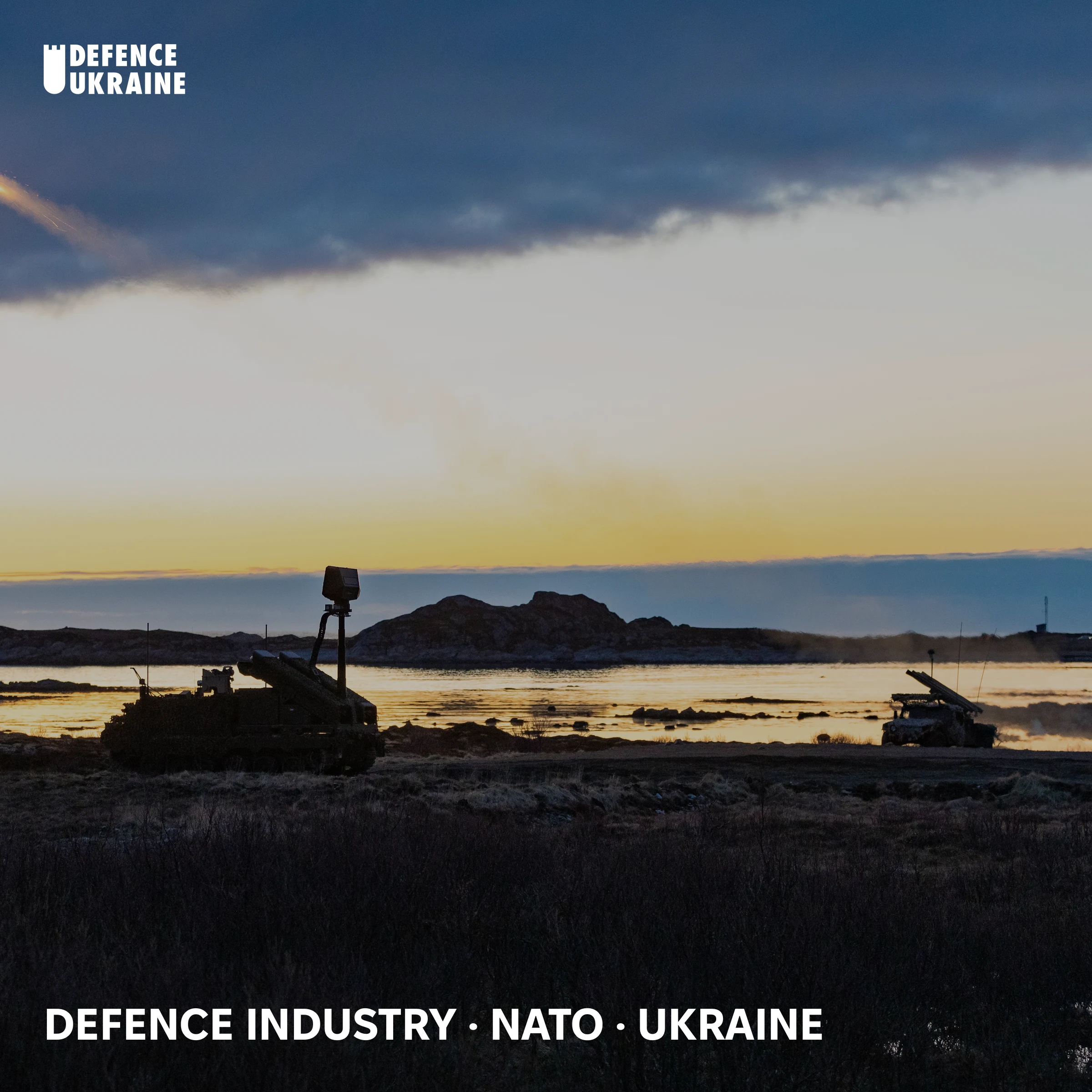
Participant states now include Denmark, Sweden, Norway, the Netherlands, Iceland, Lithuania, and Canada, each contributing capital that DALO administers. Norway routes its Kongsberg-Ukraine NASAMS financing under the Nansen Support Programme through the same architecture. From April 2026, the EU’s Ukraine Support Loan began layering its own military tranches on top, with the Danish Model providing the pre-audited compliance layer that SAFE’s geographic-origin rules would otherwise slow.
The E5 format, spearheaded by Estonia, Denmark, and the Netherlands, negotiates the specific drone-procurement pathways that draw on the Danish channel. Its adoption at the July 2026 Ankara Summit gave the format an alliance-level profile, and it now disburses capital to Brave1-certified SMEs on a pace faster than NATO standardisation bodies can match. This is what turned the Danish Model from a national initiative into a de facto European operating template for Ukraine-side procurement.
Load-Bearing Outputs
Financing routed through the Danish Model has funded serial production of several load-bearing Ukrainian platforms. The list below identifies the platform, its Ukrainian producer, and the specific allied source that channelled capital via DALO.
- Bohdana 155mm self-propelled howitzer (Kramatorsk Heavy Duty Machine Tool Building Plant, latterly co-produced across a dispersed supplier network). Danish Ukraine Fund and EPF windfall proceeds have underwritten successive production batches, sustaining the Bohdana line as the domestic backbone of Ukrainian tube artillery.
- AN-196 Liutyi long-range strike drone (Ukrspecsystems / Ukroboronprom-affiliated production). Multiple Danish and EU tranches financed Liutyi output during the 2025 and 2026 deep-strike campaigns.
- Freyja FP-7.x anti-ballistic interceptor (Fire Point, in joint venture with Diehl Defence). Danish contracting supported early Freyja production, though the propellant supply arrangement has since been publicly disputed (see below).
- Project Octopus counter-Shahed interceptor drone (UK-Ukraine joint venture). UK tranches exceeding £750 million procured Octopus units at roughly USD 2,500 apiece, drawing heavily on Brave1 SME components.
- Kongsberg-Ukraine NASAMS effector missiles (Kongsberg with Ukrainian partners, permanent Kyiv office established June 2025). Norwegian financing under the Nansen Support Programme sits inside the Danish channel.
- Milrem THeMIS uncrewed ground vehicles (Milrem Robotics with Ukrainian integrators). Netherlands financing of roughly USD 1 billion covered THeMIS deliveries alongside Kyiv drone lines.
- Palianytsia turbojet drone-missile (Luch Design Bureau). A Lithuanian tranche of €10 million funded initial serial production.
- Bars cruise missile and Fire Point Flamingo systems (Fire Point and partners). German bilateral capital of more than €400 million supported these programmes through the same certified conduit.
Contested Points And Open Questions
The Fire Point solid-rocket-fuel dispute is the most visible open question. Fire Point CEO Denys Shtilerman told the Financial Times that Denmark froze a 2025 solid-rocket-fuel supply agreement following the release of the Mindich tapes, wiretaps alleging kickbacks involving former defence minister Rustem Umerov. The Danish Ministry of Business and Industry has explicitly denied any suspension of the agreement. As of August 2026 the two accounts remain unreconciled in public reporting, and the propellant supply chain underpinning the Freyja programme sits inside that unresolved gap.
Concentration risk is a second open question. Routing large multi-donor volumes through a single Danish agency creates auditing and political-continuity dependencies. If DALO capacity or Danish domestic politics were to shift, several partner states would need alternative disbursement pathways at short notice.
Certification bottlenecks affect the model at the manufacturer end. Brave1 SMEs contracted via the Danish channel still face separate AQAP certification for full NATO-standard procurement, a multi-year process the European Defence Agency’s BraveTech EU Phase 2 has taken on but not yet cleared at scale.
A sovereignty-versus-audit tension runs through the model. Some Ukrainian commentators have argued that DALO auditing amounts to a foreign veto over domestic procurement choices. Supporters counter that the audit layer is what unlocks allied capital in the first place. Both positions are on the record; the model has not been amended to resolve them.
The model’s exposure to Ukrainian political shocks is a further open question. The Mindich tapes and Operation Midas wiretaps produced the Fire Point dispute above, and any future domestic scandal touching an audited manufacturer would put donor governments in the position of pausing disbursements against contracts already signed. DALO’s response so far has been to tighten forward audits rather than retroactively unwind cleared contracts, but the question of what triggers a pause has not been standardised across donors.
What To Watch
Whether the €28.3 billion 2026 Ukraine Support Loan tranche disburses through DALO on the pre-agreed timeline will be the near-term measure of the model at bloc scale. A meaningful slippage into 2027 would compress the winter 2026-2027 procurement window.
The Freyja anti-ballistic timeline through winter 2026-2027 depends on whether the propellant dispute resolves. If Denmark and Fire Point cannot settle publicly, alternative propellant suppliers will have to be sourced through the same channel.
Berlin, Ottawa, and Warsaw are all candidates to expand routing through DALO in 2026 and 2027. Volume growth from any of the three would test the model’s administrative headroom.
The Ukrainian Ministry of Defence under acting Minister Yevhenii Khmara issued a memorandum on 11 August 2026 mandating stricter SBU-style YouControl vetting for every supplier. Whether Danish-audited contracts survive without adjustment under the new vetting regime, and whether the six-to-ten-day supply cycles established under Mykhailo Fedorov hold, will decide how much the model can carry through the 2026-2027 cycle.