What It Is
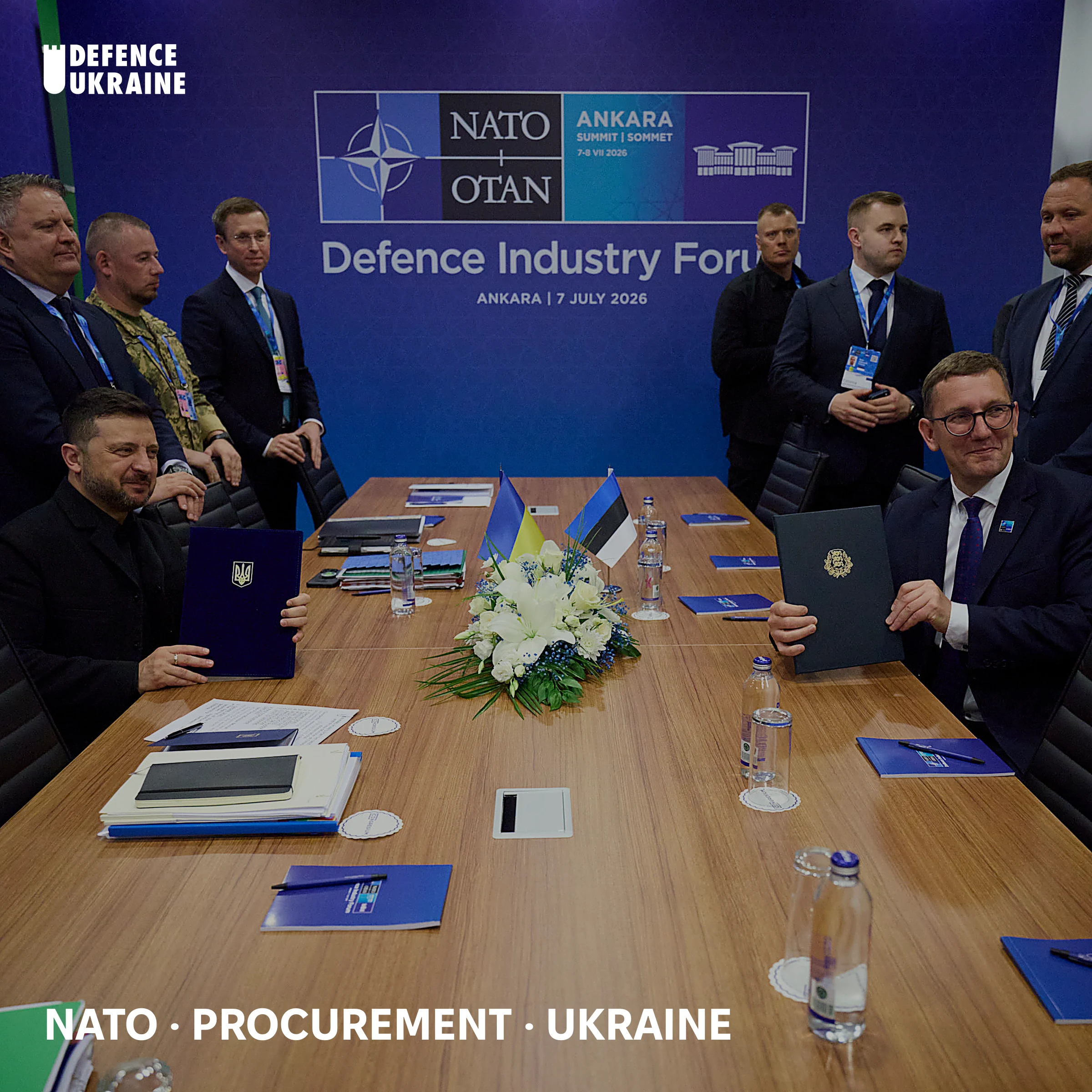
The Prioritised Ukraine Requirements List, known as PURL, is a NATO-brokered clearing house through which Allied and partner states pool sovereign capital to buy US-manufactured military equipment for Ukraine. NATO Secretary General Mark Rutte and US President Donald Trump agreed the mechanism at the White House on 14 July 2025. NATO delivered the first PURL-funded package under Dutch financing on 4 August 2025.
PURL sits inside the wider architecture of the Ukraine Defense Contact Group, the Ramstein-format coordination body, but operates on a distinct financial premise. Where earlier Ramstein pledges relied on donor-state stocks or US presidential drawdown authority, PURL packages are commercially procured from US inventory using cash contributions from Allies. The mechanism exists because the Trump administration ended direct grant-based transfers to Ukraine and required European and Canadian partners to fund American materiel destined for Ukrainian forces.
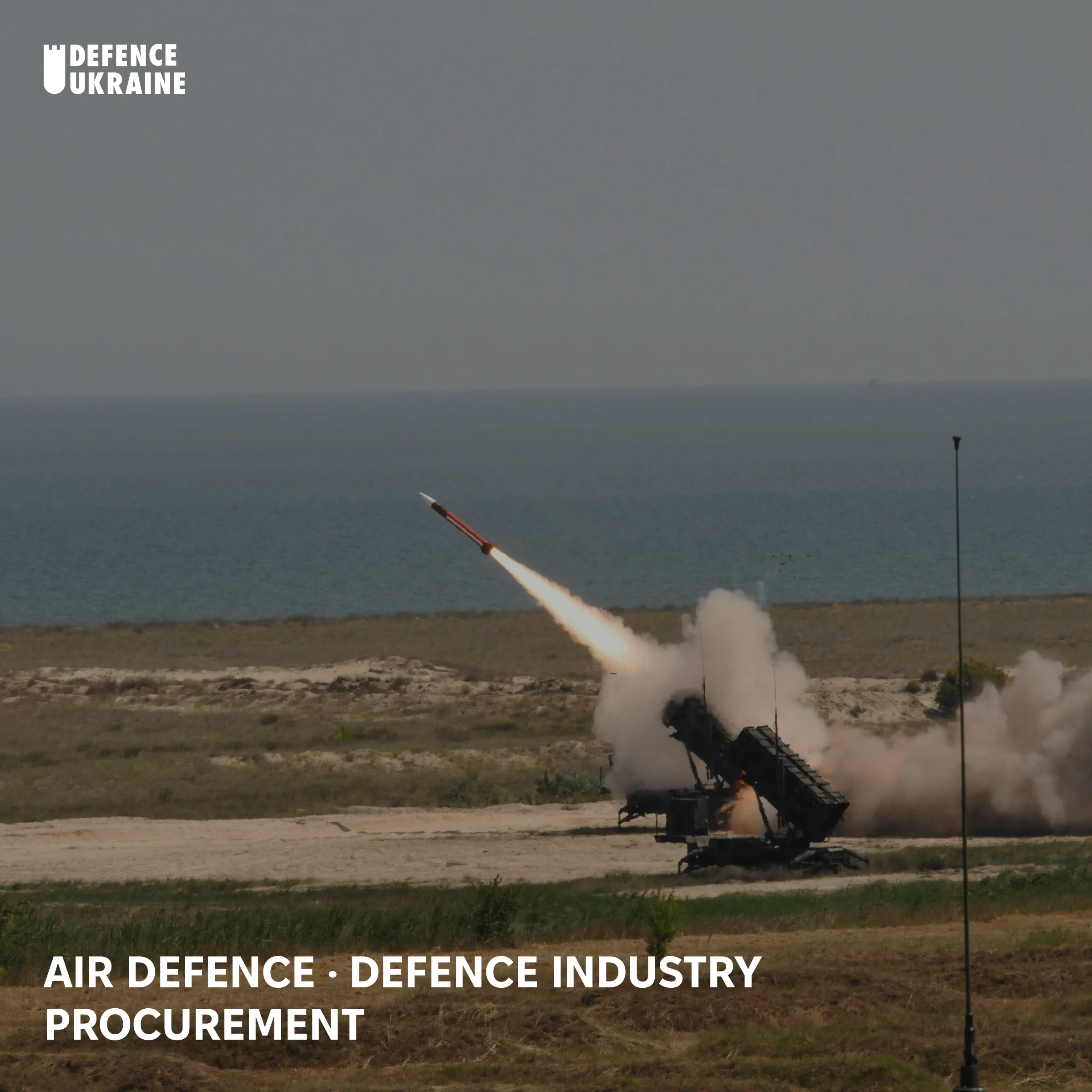
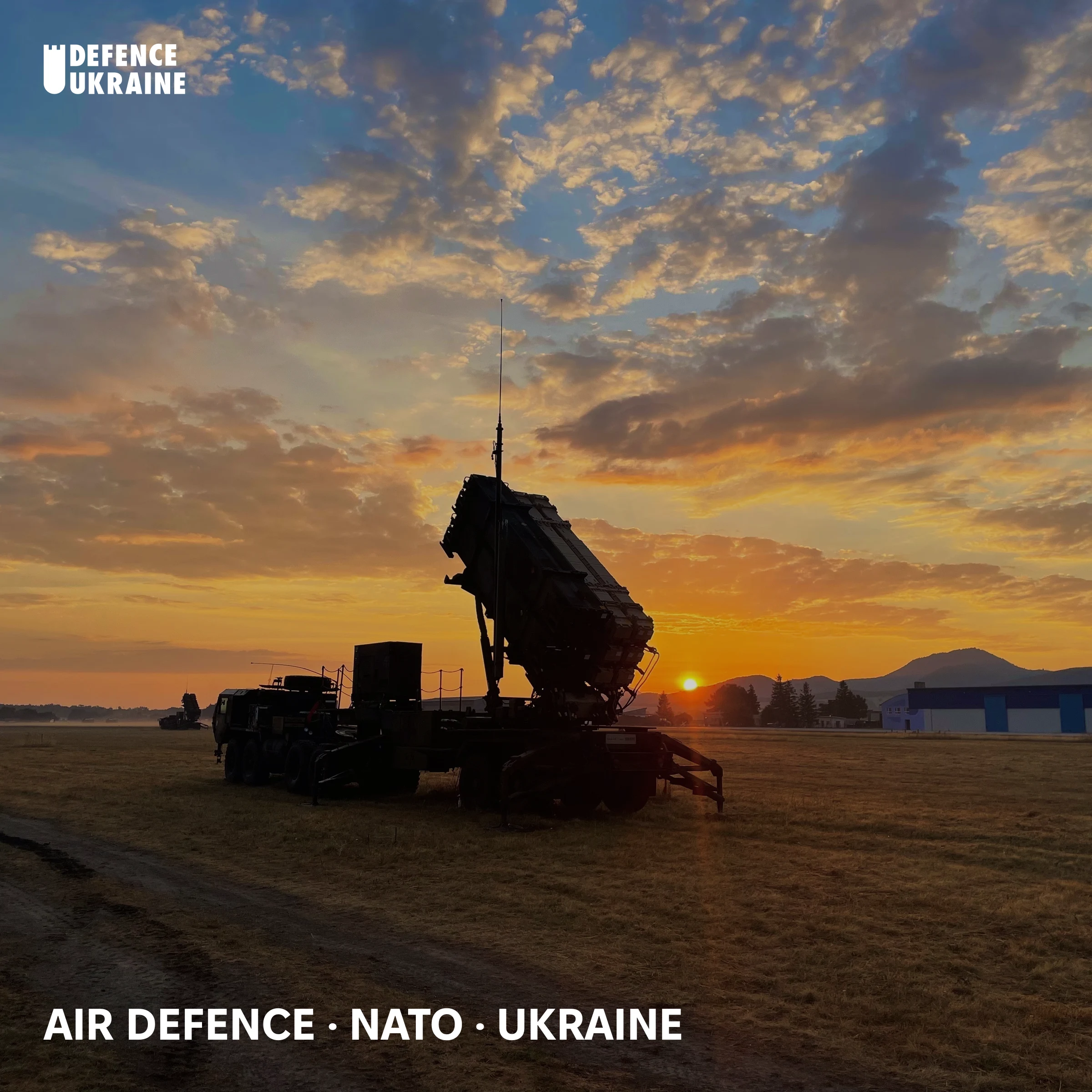
PURL is the primary conduit through which Patriot Advanced Capability-3 interceptor missiles reach Ukrainian batteries. According to the Ukrainian Ministry of Defence, roughly 95 per cent of Patriot interceptors delivered to Ukraine in the year to July 2026 flowed through the mechanism. That figure captures the scale of Ukraine's operational dependence on PURL for high-tier anti-ballistic defence, and it explains why the initiative attracts sustained political attention despite its ad hoc funding model.
How It Works
The Ukrainian Ministry of Defence submits a rolling list of operational priorities to NATO and the US. General Alexus Grynkewich, the incumbent Supreme Allied Commander Europe, identifies which items the US can supply from existing stocks, some of which are already pre-positioned on European territory. From that inventory, packages of roughly $500 million each are assembled and offered to Allied contributors, who confirm which line items their pledge will finance.
Because packages draw from existing US stocks, delivery timelines compress relative to conventional Foreign Military Sales cases. Contributions clear as bilateral cash transfers to the US Treasury, which reimburses the US Department of War for stock replenishment. Ukraine receives the equipment through logistics chains routed via Poland, Romania, and Slovakia. Rutte coordinates the political fundraising, holding pledge rounds with defence ministers and heads of government to close out each package.
The mechanism is deliberately ad hoc. There is no standing budget line, no multi-year commitment, and no legally binding contribution formula. Every package requires fresh political fundraising. Rutte set a target of $5 billion in contributions by the end of 2025, which the initiative missed by approximately $700 million. Contributions accelerated through the first half of 2026, and by the twelve-month anniversary in July 2026, the running total had reached $6.7 billion across more than ten packages.
Governance And Financing
Governance responsibility sits across three centres. NATO's International Staff, led by Rutte, manages the political fundraising and package coordination. Grynkewich and SHAPE handle the operational identification of available US stocks. The Ukrainian Ministry of Defence sets the requirement priorities. The US Department of War approves the outbound transfers under standard Foreign Military Sales procedures.
Twenty-nine countries had contributed to PURL by July 2026: twenty-six NATO Allies plus three non-NATO partners, including Australia and New Zealand. Norway was the largest single contributor at $1.36 billion, followed by the Netherlands at $1.163 billion, Germany at $900 million, Canada at $834 million, and Sweden at $546 million. Contributions from smaller Nordic and Baltic groupings were often bundled: in November 2025, a Nordic-Baltic bloc announced a joint $430 million PURL package.
Financing typically draws from national defence budgets or, in the German case, from dedicated Ukraine-support envelopes such as the JUMPSTART capital line. A February 2026 US Foreign Military Sale worth $105 million, funded by JUMPSTART, upgraded Ukraine's legacy M901 Patriot launchers to the M903 standard, allowing them to receive PAC-3 MSE interceptors procured through subsequent PURL packages.
Load-Bearing Outputs
PURL packages have concentrated on capabilities that Ukraine's own defence industry cannot yet reproduce at scale, and that European primes cannot yet substitute at short lead times:
- Patriot PAC-3 interceptor missiles, the effector responsible for defeating Russian ballistic threats against Ukrainian cities and critical infrastructure. According to Ukraine's General Staff, PAC-3 stocks have repeatedly been the binding constraint on the country's air-defence posture.
- Guided Multiple Launch Rocket System (GMLRS) munitions for HIMARS and M270 platforms, sustaining the deep-fires envelope out to roughly 80 kilometres.
- Guided aerial bombs used by Ukrainian F-16 airframes for high-precision strikes on Russian rear-area logistics.
- Additional air-defence components and strategic-tier munitions identified by Ukraine as operational priorities and confirmed as available from US inventory.
The composition mix skews heavily toward high-value effectors. Those are precisely the items PURL was designed to unlock, and precisely the items whose replacement rate depends on the pace of US solid-rocket-motor and guidance-seeker production.
Contested Points And Open Questions
Two structural questions haunt PURL's forward trajectory. The first concerns supply. German Defence Minister Boris Pistorius stated in early 2026 that Berlin had exhausted its strategically permissible reserves of Patriot launcher systems and could contribute only to interceptor procurement going forward. That admission indicated that the pool of European launcher stocks available for immediate transfer to Ukraine was close to empty, leaving PURL to source ammunition for platforms already in place rather than fresh systems.
The second concerns duplication and coherence. PURL competes for the same donor pool as the EU's €90 billion Ukraine Support Loan and its associated European Defence Industry Programme, both of which prioritise procurement from European primes. Where PURL routes European cash to US manufacturers, the USL routes it inside the EU industrial perimeter. Allied capitals therefore face a live trade-off between American-capacity procurement and European capacity-building, and no shared framework exists for arbitrating between the two. The Atlantic Council and IFRI have both flagged the risk that PURL crowds out European industrial financing without any mechanism for reciprocal US contributions.
The ad hoc funding model is itself contested. Because there is no standing envelope, every package requires renewed political effort. Rutte's periodic public appeals for further contributions, including his December 2025 address in Brussels, reflect the persistent pressure to keep the pipeline flowing. Critics inside NATO's International Staff have argued for converting PURL into a multi-year Common Funded programme, which would give the mechanism budgetary predictability but would also expose it to unanimity votes and dilute national donor visibility.
A third contested point concerns transparency. PURL package composition is not published in full. Ukraine's Ministry of Defence and NATO release aggregate values and, occasionally, capability categories. Line-item disclosures on individual missile types and quantities remain confidential, which limits public verification of the 95 per cent Patriot claim and the pace of interceptor delivery. That opacity is defensible on operational-security grounds but complicates independent tracking.
What To Watch
The near-term test is whether PURL can maintain its running rate of roughly one $500 million package per month through the 2026 to 2027 winter, when Russian long-range strike volumes have historically peaked. According to Ukraine's General Staff, interceptor consumption during past winter campaigns has repeatedly outpaced allied replenishment, and the Kyiv saturation attacks of mid-2026 confirmed the pattern.
The medium-term test is the Hegseth Force Posture Review, launched by US Secretary of War Pete Hegseth on 18 June 2026 and due to conclude in late December 2026. That review may reallocate US inventory toward the Indo-Pacific, tightening the pool of European-positioned stocks from which PURL packages are drawn. If the review recommends deep withdrawals of pre-positioned US equipment from Europe, PURL's throughput could fall regardless of Allied contribution volumes.
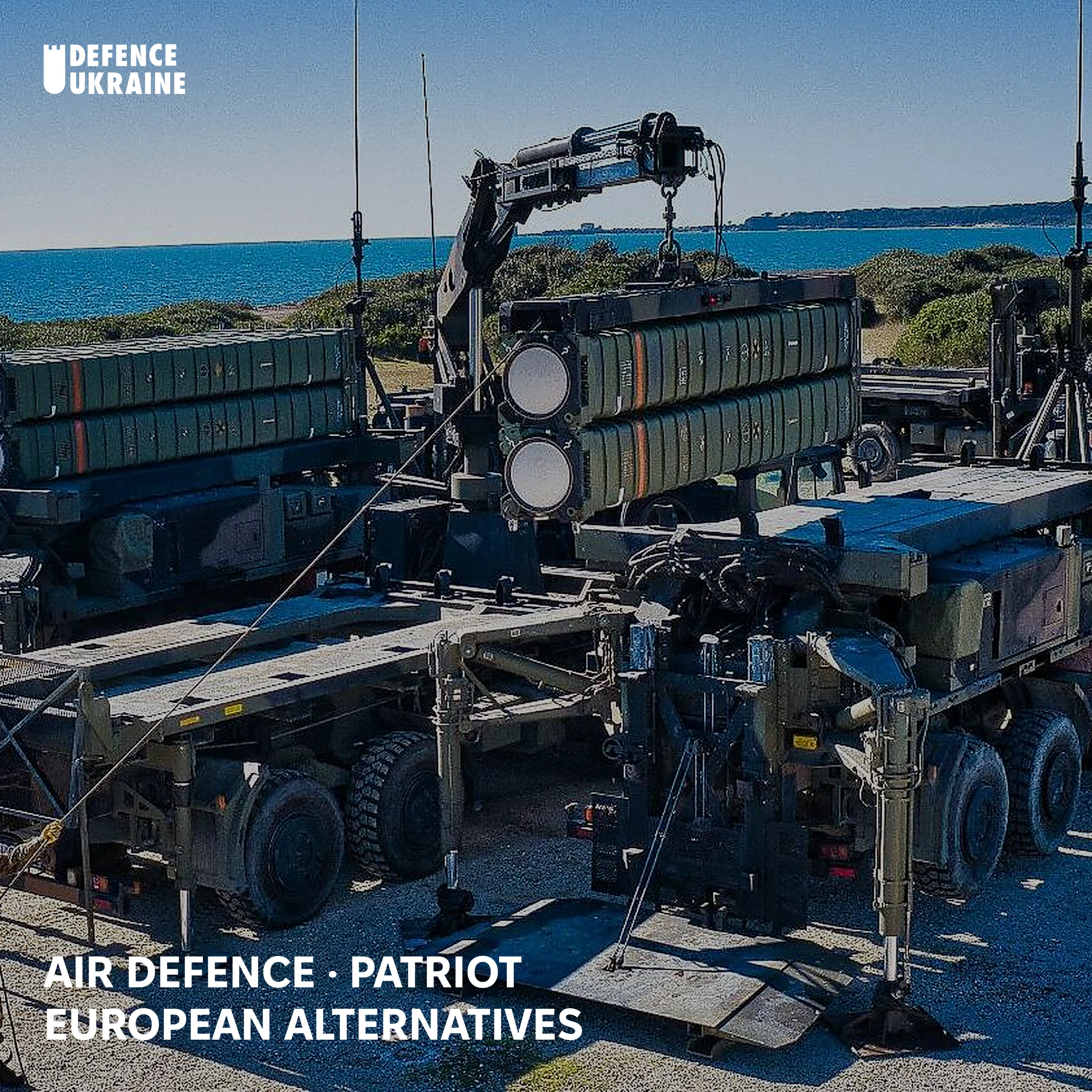
The structural test is whether the European air-defence industrial base can reduce Ukraine's dependence on Patriot interceptors before US supply hits its ceiling. The shift toward European effectors in mid-2026, and the Fire Point-Diehl Defence FP-7.x programme in particular, represent the intended hedge against a PURL-only future for Ukrainian high-tier air defence. The 31 July 2026 reversal of the promised Patriot co-production licence made that hedge more urgent, not less.