What It Is
BraveTech EU Phase 2 is a €35 million European Union defence-innovation programme, delivered by the European Defence Agency (EDA), that tests defence technologies proposed by European and Ukrainian small and medium enterprises against operational scenarios drawn from the war in Ukraine. The European Commission and the EDA signed the Phase 2 Contribution Agreement on 29 April 2026, transferring operational responsibility for the programme from DG Defence Industry and Space to the EDA and formalising Ukrainian battlefield conditions as a legal reference standard for EU defence-technology assessment.
The programme originated in a joint announcement by EU Commissioner for Defence and Space Andrius Kubilius and then-Ukrainian Deputy Prime Minister Mykhailo Fedorov in Kyiv on 11 July 2025. Phase 1 ran through 2025 and into early 2026, financed and administered directly by the Commission and structured as an integration exercise between the Ukrainian defence-innovation cluster Brave1 and EU procurement pathways. Phase 2 extends that architecture: under the Contribution Agreement, the EDA is legally required to assess proposed solutions against scenarios inspired by combat data from the Ukrainian theatre.
That legal requirement is the substantive shift. Prior EU defence-technology assessment relied on laboratory validation, industrial-consortium bench-testing, and NATO standardisation frameworks such as the AQAP series. BraveTech EU Phase 2 places Ukrainian combat validation on the same evaluation footing, giving Ukrainian-tested SMEs a defined pathway into the wider EU defence-industrial ecosystem and codifying the wider shift documented in Defence Ukraine's analysis of the emerging Ukraine-tested European procurement standard.
How It Works
The programme's core delivery instrument is the DefTech Forges, multi-day defence-technology events that pair European and Ukrainian innovators with military end users, technical experts, and industry stakeholders around specific operational challenges identified by the Ukrainian Armed Forces. The first edition of the Forges ran in France between 1 and 5 June 2026 and in Estonia between 3 and 7 June 2026. Applications for the second edition opened on 10 August 2026 via a call published by DG Defence Industry and Space.
Participation is restricted to start-ups, scale-ups, and SMEs whose products have reached technology readiness level (TRL) 4 or higher. TRL 4 corresponds to component- or system-level validation in a laboratory environment, which excludes concept-stage submissions but admits solutions that are not yet fielded. Selected teams receive up to €120,000 in grant funding and access to a testing pathway that culminates in evaluation by Ukrainian military end users.
The EDA administers the technical evaluation. Ukrainian battlefield users conduct the operational validation. Brave1 provides the interface between winning SMEs and Ukrainian defence-industrial capacity, both for testing infrastructure and for follow-on production partnerships. The Ukrainian Ministry of Defence sets the operational challenges against which entries are judged, drawn from the same requirements pool that feeds the Ukrainian domestic Defence Procurement Agency and the wider Brave1 Marketplace.
Governance And Financing
The EDA holds executive responsibility for Phase 2 under the 29 April 2026 Contribution Agreement. The €35 million allocated to the EDA sits inside a wider €100 million programme envelope: €50 million in EU funding drawn from the European Defence Fund and the EU Defence Innovation Scheme (EUDIS), matched by €50 million from the Ukrainian state. That matching-fund architecture makes BraveTech EU one of the few EU defence-innovation instruments jointly financed by an accession candidate.
Political oversight sits with the European Commission's DG Defence Industry and Space, working with the Ukrainian Ministry of Defence and the Brave1 cluster. Commissioner Kubilius, appointed in December 2024, retained personal sponsorship of the programme through the Phase 2 transition, and Fedorov signed the founding announcement in his then-capacity as Deputy Prime Minister and Minister for Digital Transformation. Following Fedorov's move to the Ministry of Defence in January 2026 and his dismissal in July 2026, programme continuity has been managed through the EDA rather than through the office of the Ukrainian defence minister, insulating BraveTech EU from the ministerial turbulence documented in Defence Ukraine's assessment of Fedorov's tenure at the Ministry of Defence.
Downstream financing links BraveTech EU to the European Defence Industry Programme (EDIP) €260 million Ukraine Support Instrument carve-out, adopted on 30 March 2026, and to the 15 July 2026 EU-Ukraine Defence Industrial Partnership signed by European Commission President Ursula von der Leyen and Fedorov. That partnership released an immediate €1 billion drone-capability tranche from the €90 billion Ukraine Support Loan and formally committed both sides to expanding joint anti-ballistic missile production by 2028. BraveTech EU is the innovation-tier feeder for both instruments.
Load-Bearing Outputs
Phase 1 concluded on 14 July 2026 with the selection of six SME winners from Sweden, Finland, Estonia, Latvia, Poland, and France. The identities of the winning companies were not publicly disclosed at selection, in line with the programme's operational-security policy. Each will progress to combat-adjacent testing inside Ukraine, mentored by Ukrainian military end users and integrated with Brave1's SME support infrastructure.
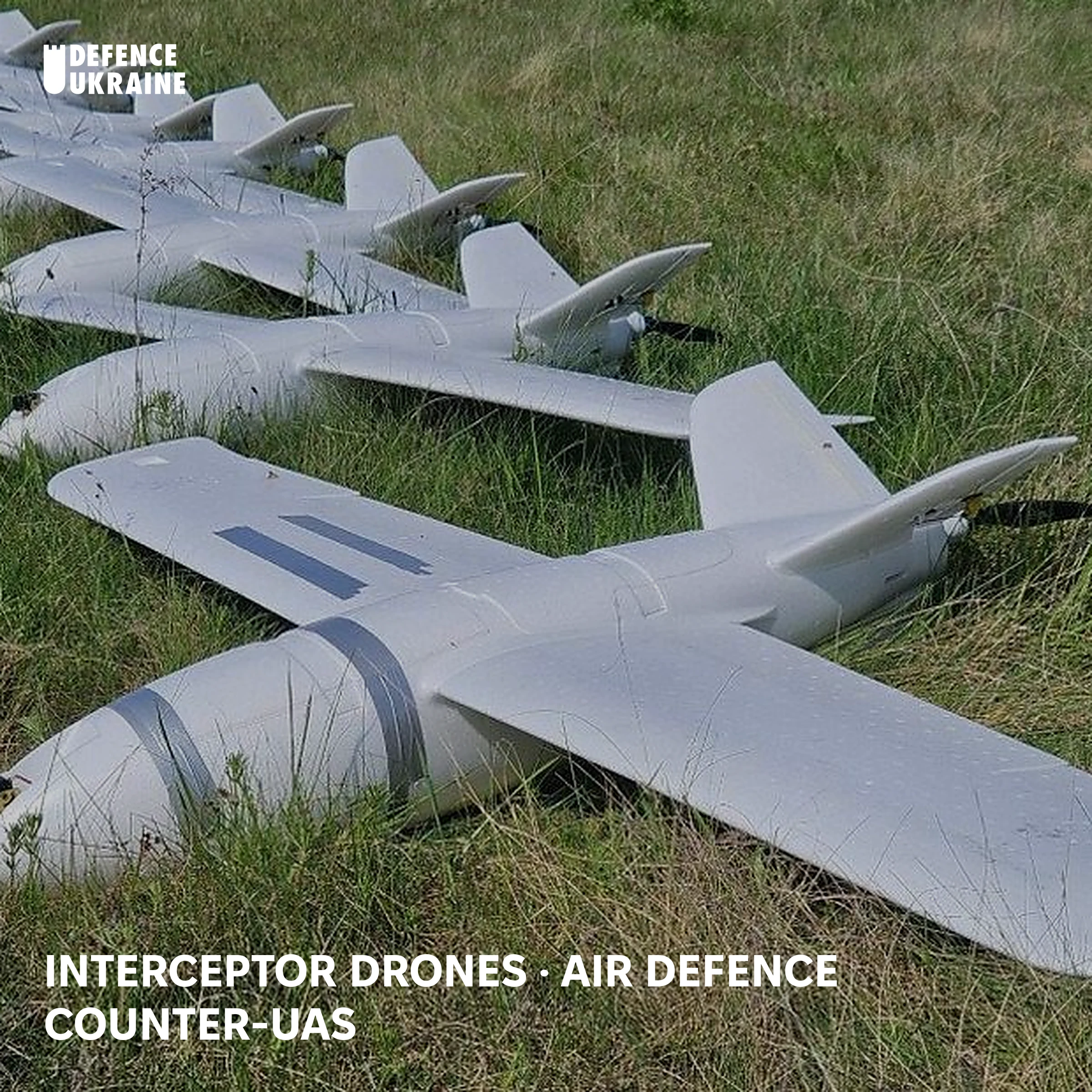
Phase 2 is structured to increase throughput. The August 2026 call for the second edition of the DefTech Forges targets a materially larger cohort than Phase 1, with the intent of scaling from single-digit to double-digit annual selections by end-2027. The programme's stated focus areas, drawn from the Ukrainian requirements catalogue, include interceptor drones, counter-drone electronic warfare, autonomous ground vehicles, tactical intelligence-surveillance-reconnaissance systems, and battlefield medical technology.
Systems that clear BraveTech EU testing gain a documented performance record against combat-realistic scenarios that European primes and Member State procurement offices can cite in tender evaluations. That documentation is the practical vehicle through which the programme is intended to convert innovation-tier validation into mainstream procurement contracts, and it is the mechanism by which Ukrainian SMEs qualify for downstream EDIP and USL funding streams.
Contested Points And Open Questions
The most substantive open question is whether Ukrainian combat validation, however rigorously documented, is legally sufficient to admit an SME's product into the wider EU defence procurement pipeline dominated by AQAP-certified suppliers. The AQAP series, NATO's Allied Quality Assurance Publications, requires multi-year quality-management-system audits that most Ukrainian SMEs have not yet cleared. BraveTech EU Phase 2 codifies Ukrainian testing as an evaluation input; it does not, on its own, exempt participating firms from AQAP certification for onward European sales. That gap is one of the load-bearing frictions flagged in the programme's own Phase 1 review.
A related question concerns intellectual-property protection. Ukrainian battlefield testing generates high-fidelity performance data that is commercially valuable both to the SME concerned and to competing bidders inside and outside the EU. Programme documentation commits the EDA to standard EU procurement confidentiality provisions, but Ukrainian government agencies retain access to testing data for operational purposes, and the interaction between those two access regimes has not yet been publicly stress-tested.
A third contested point concerns the balance between EU and Ukrainian participation. The 50-50 funding split is symbolic and politically important, but Ukrainian budget contributions have historically arrived on shorter horizons than EU commitments and can be affected by wartime budget reallocations. Should Ukrainian matching funds slip, the practical operating envelope of the programme would fall proportionally.
Programme continuity survived the political turbulence of the Ukrainian Ministry of Defence in mid-2026, but the 11 August 2026 YouControl vetting memorandum issued by Acting Minister Yevhenii Khmara imposes SBU-style supplier background checks on Ukrainian defence procurement. Whether those checks apply to BraveTech EU-funded SMEs testing inside Ukraine, and whether they extend to European partner firms, has not been clarified. The uncertainty is one of the few live variables that could slow the six-to-ten-day supplier-onboarding cycle established under Fedorov.
What To Watch
The pace of Phase 2 selections through the remainder of 2026 will indicate whether the EDA can convert legal codification of Ukrainian validation into scaled procurement pipelines. A first read will come from the disclosed identities and platform categories of the second-edition DefTech Forges winners, expected in early 2027.
The interaction between BraveTech EU and the wider Ukraine-tested European procurement standard will determine whether Phase 2 becomes the on-ramp to systematic EU acquisition of Ukrainian-validated systems, or whether it remains an innovation-tier exercise disconnected from mainstream EU-27 defence budgets. The July 2026 EU-Ukraine Defence Industrial Partnership provides the political frame for the former; the AQAP certification bottleneck provides the practical constraint against it.
The programme's medium-term trajectory depends on whether the €100 million envelope is topped up when it expires in 2027, and whether the successor instrument replicates the 50-50 EU-Ukraine funding split. Commissioner Kubilius has publicly indicated the intention to scale the programme, but scaling requires either a further EDF allocation or new dedicated financing from the €260 million EDIP USI carve-out. Whichever route wins, BraveTech EU's continued role as the innovation feeder for Ukrainian-tested systems will depend on preserving the tight operational link between EDA administration and Brave1 delivery.