What Drone Edge Is
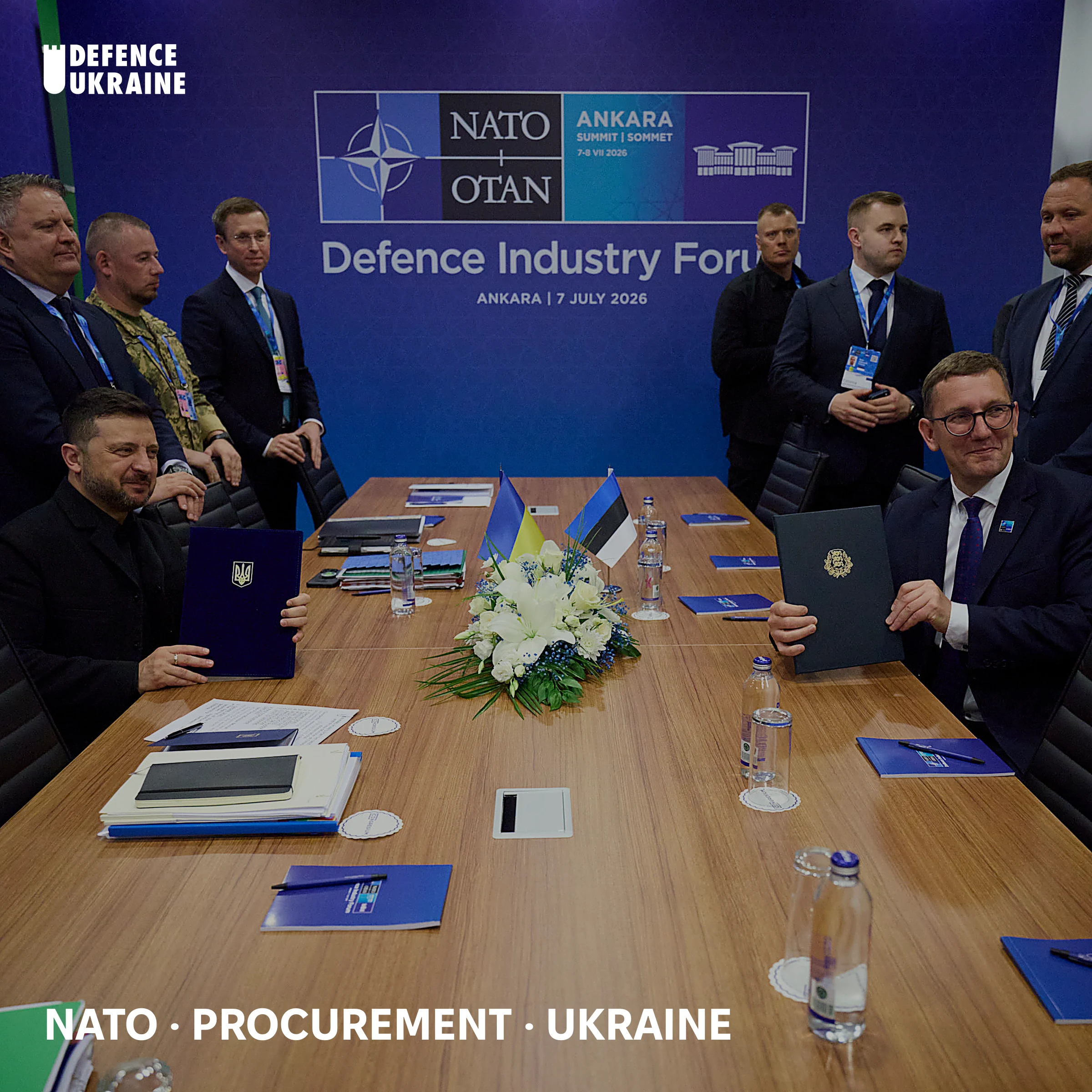
Drone Edge is a NATO Alliance-wide initiative announced by Secretary General Mark Rutte on 7 July 2026 at the NATO Summit Defence Industry Forum in Ankara, running concurrently with the 36th NATO Summit. The initiative commits Allies to invest more than $40 billion over five years across counter-drone defence, uncrewed-systems procurement, and operator training, with a stated goal of scaling Alliance-wide military drone operators fivefold by the end of 2027. It sits alongside the wider $50 billion in Ankara procurement announcements and is presented by the NATO Secretariat as an operational response to the layered threat picture from Ukraine, the Middle East, and eastern-flank airspace incursions.
The initiative is a coordination and standardisation framework rather than a single procurement contract. It bundles four workstreams: fast-track acquisition of counter-drone systems through the NATO Support and Procurement Agency, a NATO Counter-Drone Marketplace of tested systems, extended NATO Flight Training Europe (NFTE) capacity for drone operators, and integration of combat-validated lessons from Ukraine into Alliance capability development. Ukraine is embedded as a technology contributor via the parallel BraveTech EU workstreams and the NATO Innovation Fund pathway, not as an Alliance member.
Governance and Financing
NATO's Secretariat is the political owner of Drone Edge. The NSPA has been assigned operational responsibility for the counter-drone acquisition track. On 30 July 2026 the NSPA announced framework agreements with five vendors, Axon Systems, BSS Holland, DefSecIntel Solutions, JISR, and CS Group France, designed around a common command-and-control architecture with modular sensors, electronic-warfare effectors, and optional hard-kill interceptors. The framework is intended to let Allies and partner nations draw down pre-negotiated packages rather than run competitive tenders from scratch, compressing acquisition timelines that have typically taken years.
The $40 billion figure is a five-year aggregate of committed and expected national spending across Allies, not a common NATO budget line. Contributions flow via national procurement authorities, with NSPA acting as a purchasing agent for those who use the framework. This structure mirrors PURL logic: NATO orchestrates and standardises, sovereign capitals fund. The initiative therefore does not create new common funding; it aggregates sovereign appropriations under a shared operational headline. The NATO Comprehensive Assistance Package for Ukraine provides a separate top-up for Ukrainian workstream integration, part of the roughly EUR 2 billion of genuinely new capital identified by analysts around the Ankara Summit outcomes.
The NATO Innovation Fund and the NATO Front Door for Industry, both endorsed at Ankara, provide the interface for defence-tech firms, including Ukrainian small and medium enterprises, to bid into Drone Edge workstreams. This creates a formal pathway between Ukrainian battlefield-validated systems and Alliance standardisation, complementing the BraveTech EU Phase 2 assessment framework operated by the European Defence Agency.
Capability Workstreams
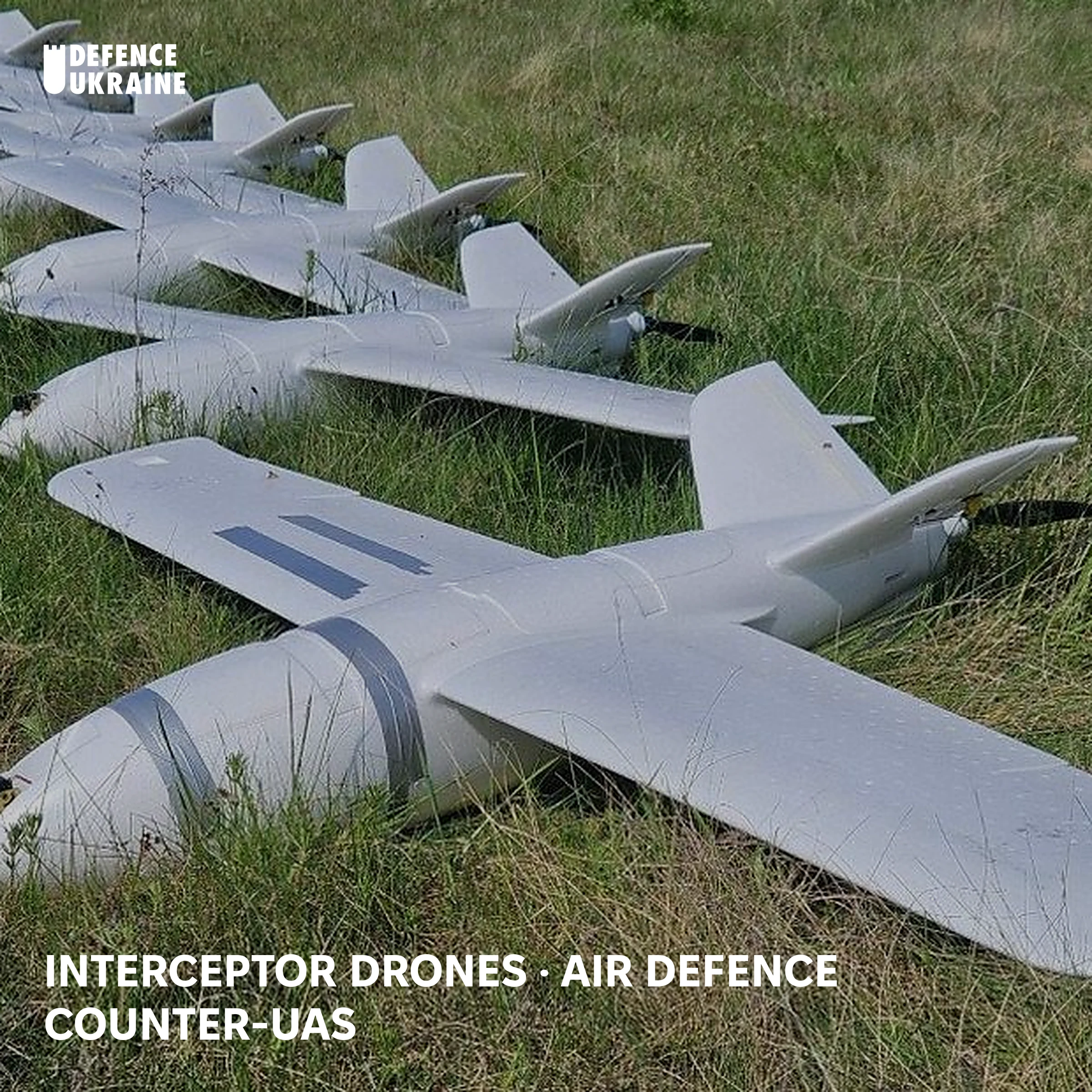
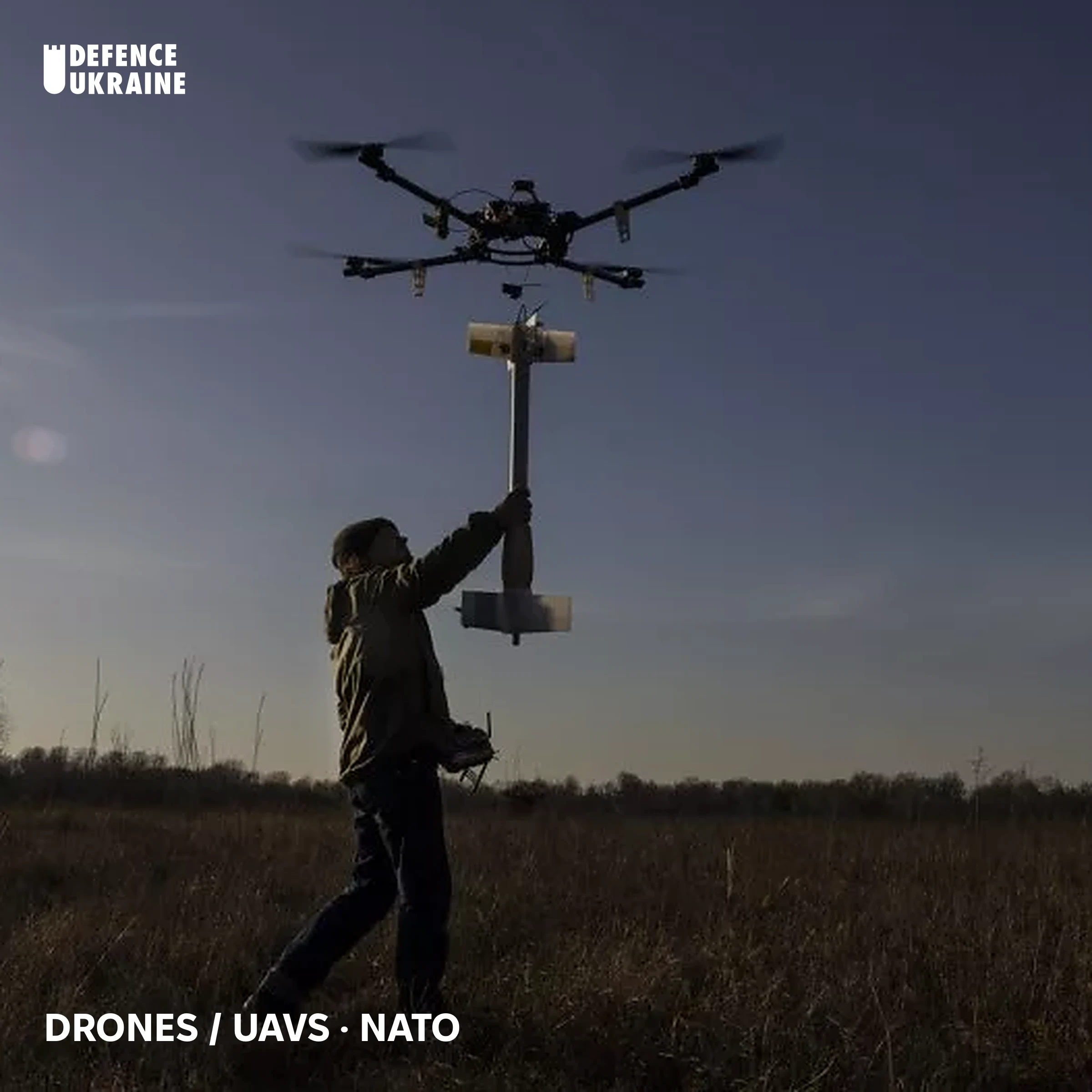
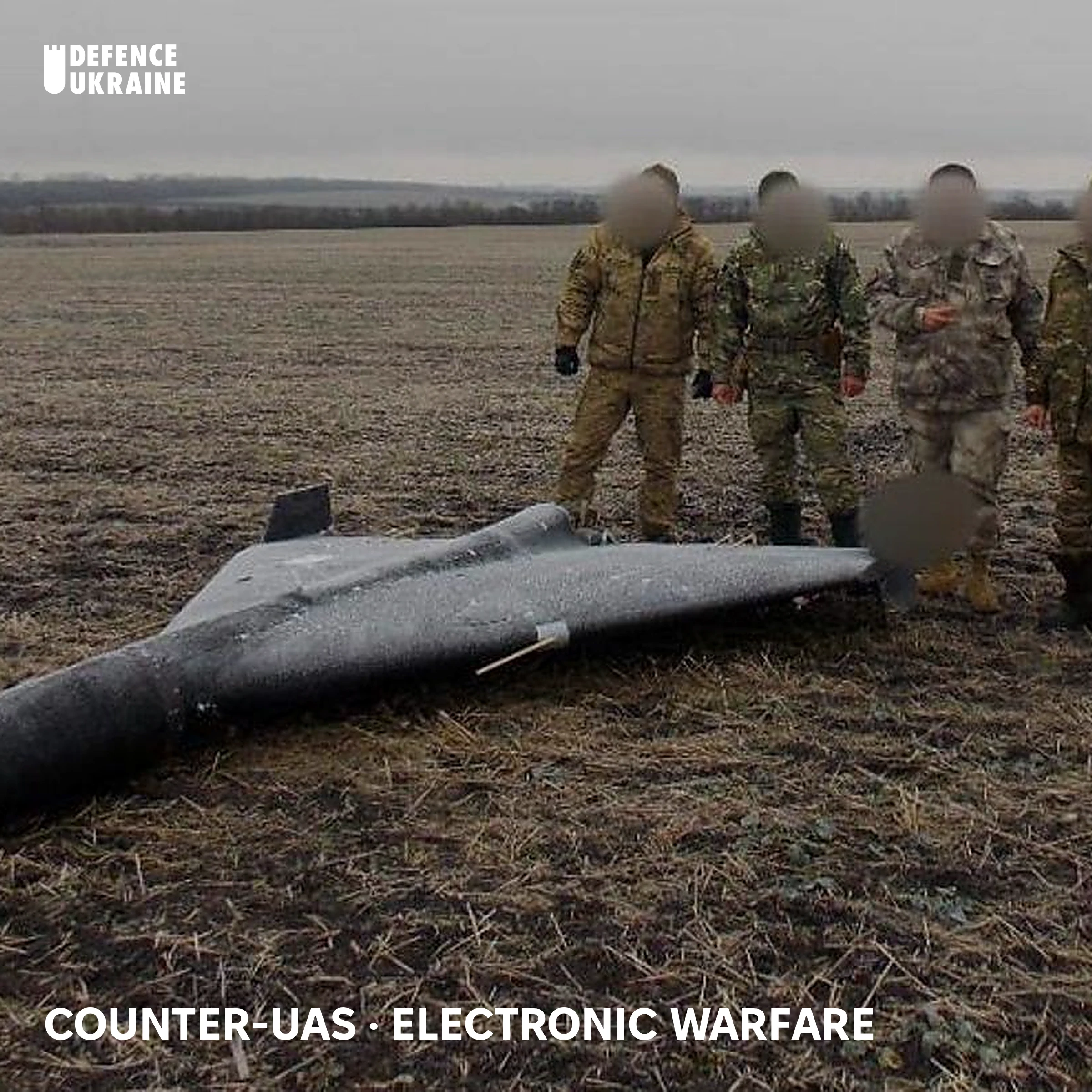
Drone Edge's technical mandate spans four capability layers. The kinetic layer covers interceptor drones and low-cost effectors designed to defeat Shahed-class one-way attack UAVs and quadcopter threats, with explicit attention to threats operating below 150 metres, an altitude band that legacy Alliance air-defence architecture was not designed to police. Ukrainian systems including the Octopus interceptor family are reference platforms in this capability line, addressed in Defence Ukraine's interceptor-drone architecture review.
The non-kinetic layer includes electronic warfare, directed-energy weapons, and cyber effectors intended for swarm defeat, where the ratio of engagement cost to threat cost is the binding operational constraint. This layer draws on Ukrainian frontline experience with radio-frequency jamming and satellite-navigation spoofing captured in Defence Ukraine's counter-drone innovation review.
Sensor integration ties the kinetic and non-kinetic layers together through common command-and-control. The NSPA framework selection prioritised vendors offering modular radar, radio-frequency detection, and electro-optical suites capable of feeding a shared C2 fabric. Independent industry trackers count more than forty vendors across the counter-uncrewed-systems field, with no single vendor spanning the full detect, track, and defeat chain, a structural feature Drone Edge is explicitly designed to address by mandating interoperability.
The fourth workstream is operator generation. NATO Flight Training Europe, established for aircrew, is being extended to cover drone-operator training with a stated fivefold increase in Alliance-wide operators by the end of 2027. This is the human-capital corollary to the procurement track and reflects the frontline lesson that trained crews, not just airframes, are the binding capacity constraint.
Load-Bearing Outputs
As of mid-August 2026, Drone Edge has produced the following concrete outputs. NSPA framework agreements with Axon Systems, BSS Holland, DefSecIntel Solutions, JISR, and CS Group France were signed at end-July 2026, opening pre-negotiated purchasing lanes to Allies and partner nations. A NATO Counter-Drone Marketplace catalogue is being populated with tested systems for direct sovereign draw-down. Extension of NATO Flight Training Europe to cover drone operators has been approved at the North Atlantic Council. A NATO Innovation Fund pathway for defence-tech firms including Ukrainian SMEs is operational, with the NATO Front Door for Industry acting as intake.
The NSPA framework functions as a shell contract. Allies who use it can call off specific packages, kinetic interceptors, radar suites, jammers, or integrated C-UAS systems, from the five pre-approved vendors without repeating full tender procedures. NATO documentation describes the arrangement as reducing acquisition cycles from years to months for participating capitals, with the trade-off that vendor competition is compressed inside each framework category. The five-vendor cohort is expected to expand in subsequent rounds as further systems complete NATO-tested certification.
Beyond these institutional outputs, the initiative provides the political scaffolding for the roughly $50 billion of Ankara procurement announcements across five capability areas: integrated air and missile defence, uncrewed systems, cutting-edge technologies, intelligence capabilities, and deep precision strike. Counter-drone effectors and interceptor drones form the dominant volume within this envelope. Specific procurement awards are handled by national authorities and are tracked separately from the Drone Edge programme envelope, meaning Drone Edge's stated $40 billion figure and the NSDIF's $50 billion figure overlap in poorly delineated ways in current NATO reporting.
Ukrainian Battlefield Integration
Drone Edge is the first NATO capability initiative in which Ukrainian combat data is embedded as design input rather than post-hoc reference material. Ukrainian systems on the BRAVE1 Marketplace are surfaced to NATO acquirers via the counter-drone catalogue where they meet Alliance interoperability standards. The BraveTech EU Phase 2 workstream, run by the European Defence Agency, provides the assessment layer that maps Ukrainian TRL 4-plus systems onto NATO capability requirements, a bridge that shortens the lag between combat validation in Ukraine and Alliance-standard procurement in Europe.
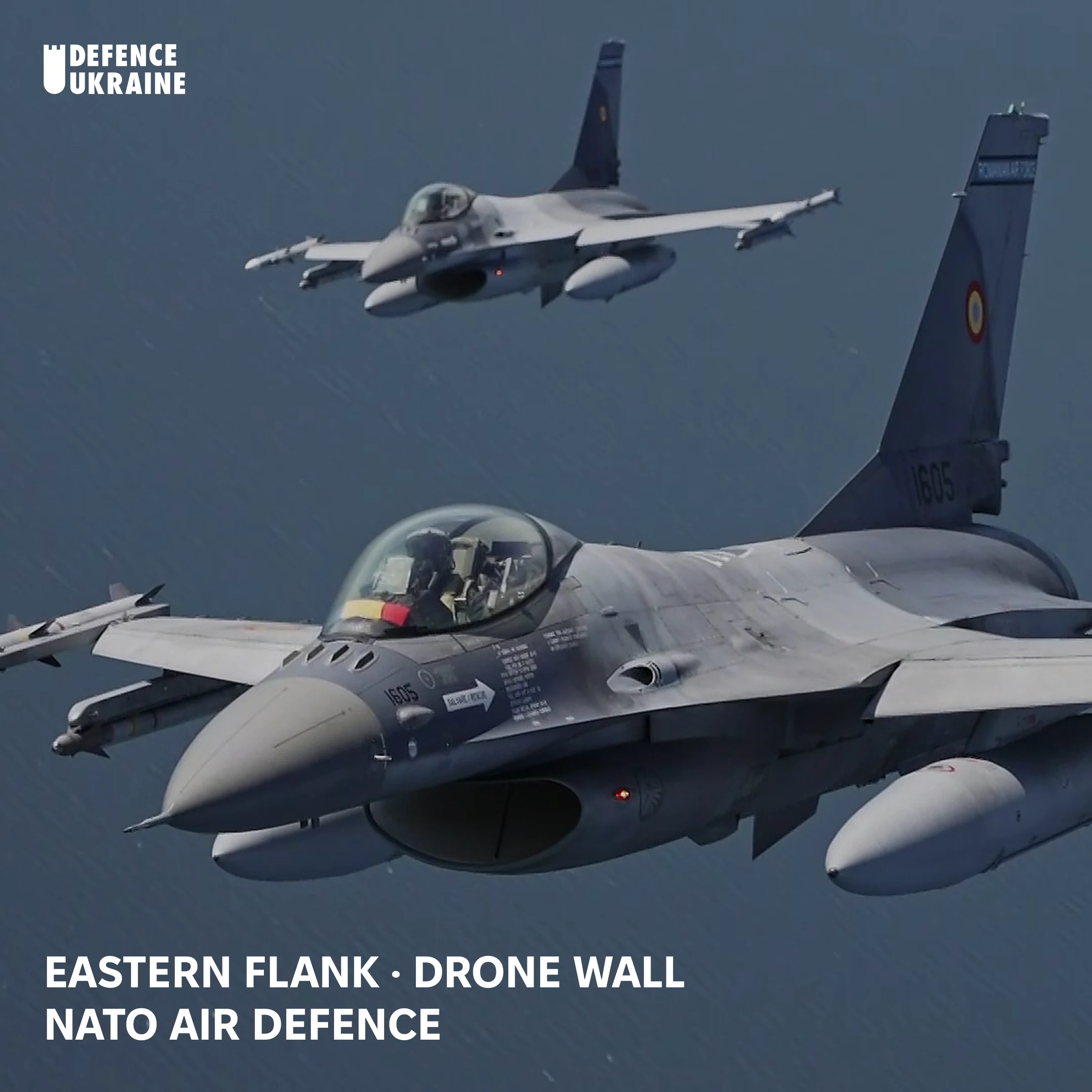
Interceptor drones are the reference case. The operational model that Drone Edge is scaling uses small, low-cost airframes queued and cued by radar and acoustic networks to defeat Shahed-class threats at engagement costs one to two orders of magnitude below traditional surface-to-air interceptors. The programme's below-150-metre subline is a direct import from this operational context, which legacy Alliance layered air defence cannot address at cost parity, a friction pattern documented in Defence Ukraine's Baltic drone spillover analysis.
The wider proposal for a continental drone-detection and interception belt on NATO's eastern flank, discussed under labels including the 3,000-kilometre drone wall and covered in Defence Ukraine's drone-wall analysis, sits adjacent to Drone Edge rather than inside it. The two initiatives share technology suppliers and doctrinal assumptions but are legally distinct: Drone Edge is a NATO acquisition and training framework; the drone wall is a national and sub-regional infrastructure concept advanced primarily by frontline eastern Allies. Whether the two converge into a single Alliance-wide programme or remain parallel is one of the load-bearing coordination questions for 2026 and 2027.
Contested Points and Open Questions
Three critiques have settled in the analytical literature since launch. First, the $40 billion headline aggregates existing and expected national spending rather than constituting a common NATO budget, replicating the EUR 140 billion Ankara accounting question in miniature. The genuinely new capital attributable to Drone Edge is materially smaller than the headline number and is embedded in the NATO Comprehensive Assistance Package top-up.
Second, the counter-drone market remains structurally fragmented. Independent industry trackers count more than forty vendors across radar, radio-frequency detection, EW jamming, kinetic interceptors, directed-energy weapons, and AI-driven command layers, with no single vendor covering the full detect, track, and defeat chain. NSPA's framework agreements select for integrators around a common C2 spine, but system-of-systems integration across Allied networks is a multi-year capability build that the marketplace mechanism cannot itself deliver.
Third, the alignment between Drone Edge, SAFE-funded procurement, and the EDIP Ukraine Support Instrument is not yet codified. Ukrainian firms qualifying under BraveTech EU Phase 2 and hoping to sell into Alliance stocks via Drone Edge face overlapping certification tracks, NATO STANAGs, EU AQAP, and national end-user certification, with no single-window process across the three regimes.
What to Watch
Four indicators will show whether Drone Edge translates political commitment into fielded capability. The first is NSPA framework draw-down volume through the second half of 2026, a proxy for whether Allies use the pre-negotiated lanes or fall back on national tenders. The second is the number of Ukrainian systems admitted to the counter-drone marketplace and the certification lag observed. The third is the pace of NATO Flight Training Europe drone-operator throughput against the fivefold-by-2027 target. The fourth is the appearance or absence of dedicated below-150-metre air-defence procurement lines in national budgets across the Baltics, Poland, and the Nordics, where drone spillover incidents have created the strongest political demand.